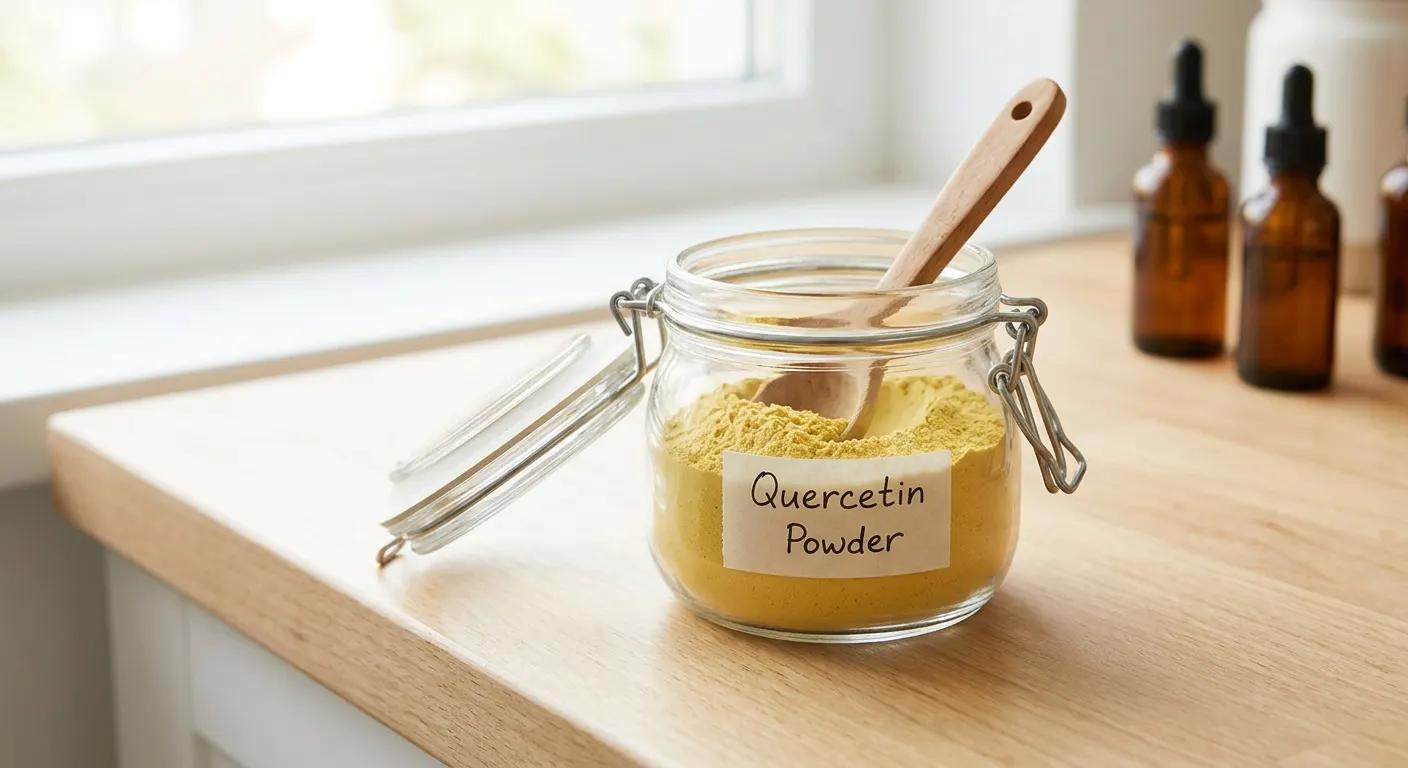
Quercetin
Functions / Benefits
Quality Specifications
| Specification Item | Standard |
|---|---|
| Grade | Pharmaceutical Grade |
| Recommended Usage | 500–1,000 mg/day |
| Property 1 | 98% |
Description
Is Quercetin Good for Immune Health and Inflammation? Benefits, Dosage & Side Effects Explained
Yes, quercetin is one of the most extensively studied dietary flavonoids, with robust clinical evidence supporting its role in cardiovascular health, immune defense, anti-inflammatory action, and senolytic activity. At doses of 500–1,000 mg/day, it is safe and well tolerated in healthy adults.
What Is Quercetin?
Quercetin (CAS 117-39-5) is a naturally occurring flavonol polyphenol with the molecular formula C₁₅H₁₀O₇ and a molecular weight of 302.24 g/mol. It is one of the most abundant dietary flavonoids, found in high concentrations in onions, capers, apples, berries, broccoli, kale, and green tea. Estimated daily dietary intake ranges from 10 to 30 mg — significantly higher than most other flavonoids, yet still well below therapeutic supplement doses.
Commercially, quercetin is extracted primarily from the flower buds of Sophora japonica (Japanese pagoda tree) or from onion skins (Allium cepa), yielding a bright yellow crystalline powder. It is available in several forms including quercetin anhydrous, quercetin dihydrate, and enhanced-bioavailability complexes (e.g., quercetin with fenugreek galactomannans or phytosomes).
Note: quercetin has inherently low water solubility and oral bioavailability. Advanced formulations using lipid complexes, phytosomes, or galactomannan matrices can increase bioavailability by 5–10× compared to standard quercetin powder.
Key Benefits of Quercetin
Cardiovascular Health. Quercetin is one of the best-studied natural compounds for heart health. Meta-analyses of randomized controlled trials confirm that quercetin supplementation (≥500 mg/day) significantly reduces systolic and diastolic blood pressure, lowers LDL cholesterol and triglycerides, and improves endothelial function. It inhibits LDL oxidation, reduces platelet aggregation, and suppresses vascular inflammation — addressing multiple cardiovascular risk factors simultaneously.
Immune Support and Antiviral Activity. Quercetin acts as a zinc ionophore, facilitating cellular zinc uptake and thereby inhibiting viral RNA replication. It also modulates immune cell activity, enhancing innate immune responses while reducing excessive inflammatory signaling. Clinical and preclinical studies support its role in reducing the severity and duration of upper respiratory infections.
Anti-inflammatory Action. Quercetin inhibits NF-κB signaling, COX-2 enzyme activity, and pro-inflammatory cytokine production (TNF-α, IL-6, IL-1β). It also stabilizes mast cells, reducing histamine release and making it particularly effective for allergy and inflammatory conditions.
Senolytic Activity. Quercetin is one of the two most studied natural senolytics (alongside fisetin). It selectively induces apoptosis in senescent cells by inhibiting BCL-2 family pro-survival proteins, reducing the senescence-associated secretory phenotype (SASP) that drives chronic inflammation and tissue dysfunction with age.
Antioxidant Defense. Quercetin directly scavenges reactive oxygen species (ROS) and upregulates endogenous antioxidant enzymes including superoxide dismutase (SOD), catalase, and glutathione peroxidase. It also chelates transition metal ions that catalyze free radical generation.
Neuroprotection. Quercetin crosses the blood-brain barrier and protects neurons from oxidative stress, neuroinflammation, and amyloid-beta toxicity. Preclinical studies show benefits in Alzheimer’s and Parkinson’s disease models; clinical research is ongoing.
Metabolic and Lipid Support. Quercetin activates AMPK, improves insulin sensitivity, reduces hepatic lipid accumulation, and lowers total cholesterol and triglycerides — supporting metabolic health in individuals with obesity, metabolic syndrome, or type 2 diabetes.
Quercetin vs. Fisetin: Which Flavonoid Is Better for Healthy Aging?
Quercetin and fisetin are the two leading natural senolytic flavonoids and are frequently compared in longevity research. Both are flavonols with antioxidant, anti-inflammatory, and senolytic properties, but they have distinct strengths.
Quercetin (CAS 117-39-5) has moderate-to-strong senolytic activity (most studied in combination with dasatinib in clinical trials), is the top choice for cardiovascular health, immune support, and anti-allergy applications, has broad anti-inflammatory and antiviral benefits, is widely available in diet (10–30 mg/day), and is used at 500–1,000 mg/day. It is best suited for heart health, immune defense, allergy support, and general antioxidant protection.
Fisetin (CAS 528-48-3) has the strongest senolytic activity of all flavonoids tested (outperforms quercetin in head-to-head cell studies), is the top choice for anti-aging and longevity protocols, offers superior neuroprotection and memory benefits, has very low dietary availability (0.4–0.8 mg/day), and is used at 100–500 mg/day daily or 20 mg/kg/day × 2 days/month as a senolytic pulse. It is best suited for longevity, cognitive health, and targeted senescent cell clearance.
Bottom line: quercetin is the more versatile everyday flavonoid with the strongest cardiovascular and immune evidence base. Fisetin is the more potent senolytic with superior neuroprotective properties. Many longevity researchers recommend combining both for comprehensive senotherapeutic and antioxidant coverage, as their mechanisms are complementary rather than redundant.
Dosage and Usage Recommendations
Quercetin is fat-soluble and benefits from co-administration with dietary fat or lipid-based formulations to maximize absorption. Standard dosing:
- General antioxidant and immune support: 500 mg/day
- Cardiovascular and anti-inflammatory support: 500–1,000 mg/day in divided doses
- Senolytic protocol (with or without fisetin): 1,000 mg/day for 2–3 consecutive days per month
Quercetin combines synergistically with fisetin (for enhanced senolytic coverage), bromelain or piperine (for improved absorption), vitamin C (for antioxidant recycling), and zinc (for antiviral activity via zinc ionophore mechanism).
Safety and Precautions
Quercetin is generally recognized as safe at doses up to 1,000 mg/day in healthy adults, with no significant adverse effects reported in clinical trials. Mild gastrointestinal discomfort may occur at higher doses. Quercetin may interact with certain medications including cyclosporine, warfarin, and fluoroquinolone antibiotics — consult your healthcare provider if you are taking any prescription medications. Always consult with a qualified healthcare provider before starting quercetin supplementation, especially if you are pregnant, nursing, or managing a chronic health condition. This product is intended for use by healthy adults and is not a substitute for medical treatment. These statements have not been evaluated by the Food and Drug Administration. This product is not intended to diagnose, treat, cure, or prevent any disease.
Featured Products
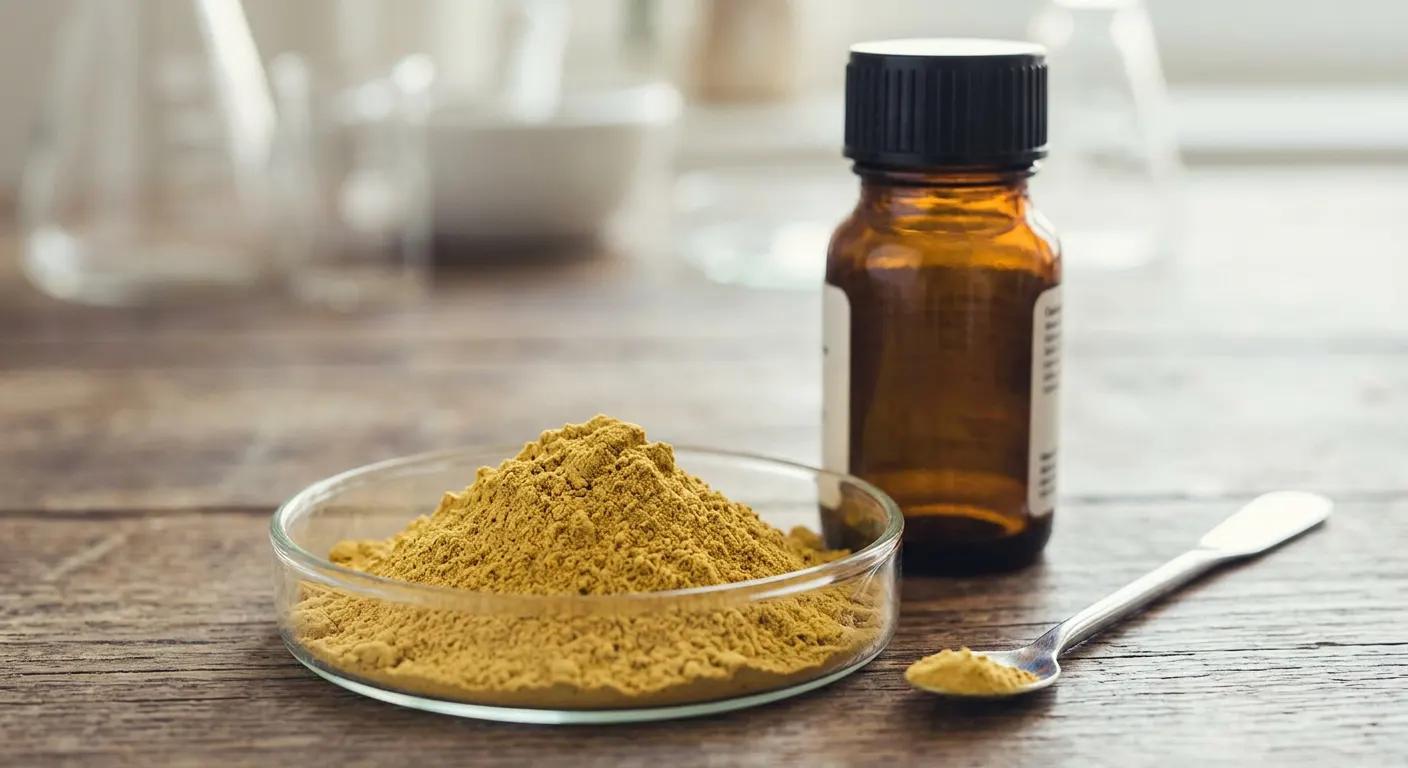
Fisetin
Rhus succedanea / Cotinus coggygria (Smoke Tree)