Professional Guide to GHK-Cu Purity and Reconstitution
A comprehensive professional manual on GHK-Cu (Copper Peptide), detailing critical sourcing standards, precise laboratory reconstitution protocols, and best practices for subcutaneous administration. This guide ensures practitioners and researchers maintain peptide integrity while optimizing regenerative outcomes.
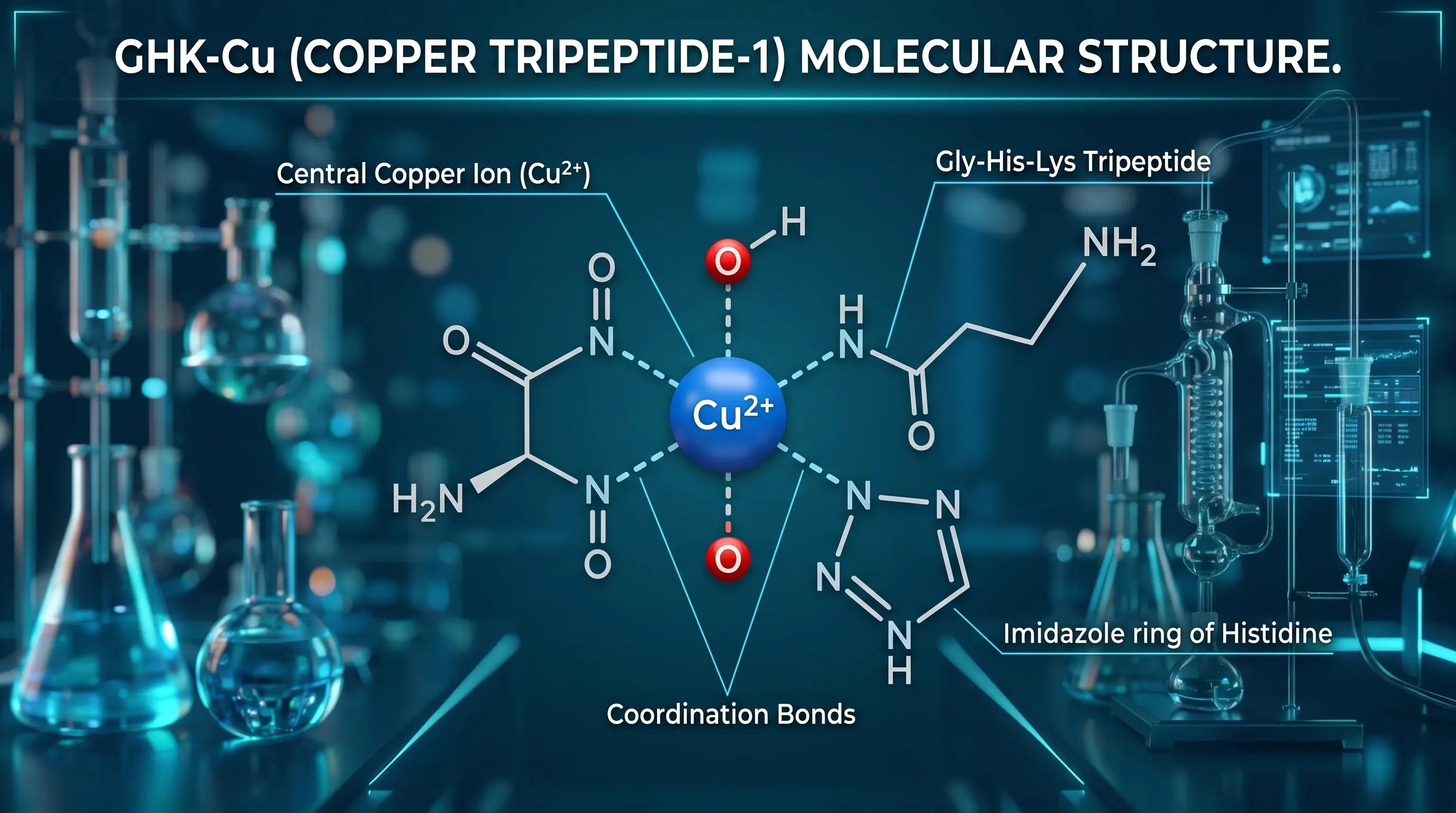
GHK-Cu (glycyl-l-histidyl-l-lysine copper) is a naturally occurring copper-binding tripeptide renowned for its regenerative properties. It promotes collagen synthesis, reduces inflammation, and accelerates tissue repair. While the body naturally produces this peptide, levels decline significantly with age. For those utilizing GHK-Cu, understanding purity standards and the correct reconstitution process is critical for ensuring both safety and efficacy.
1. Purity and Sourcing Guidelines
The quality and purity of GHK-Cu directly impact its effectiveness. When sourcing this peptide, prioritize the following standards:
- Avoid the Gray MarketPurchasing from unverified research chemical websites is risky. These products often have unknown purity levels, potential contamination, and inaccurate dosing.
- The FDA Stance on ImpuritiesWhile the FDA has previously flagged GHK-Cu regarding immunogenicity, this is primarily a quality control concern. Risks usually stem from aggregation and impurities in poorly manufactured batches, rather than the GHK-Cu molecule itself at proper therapeutic doses.
- Optimal SourcingTo ensure safety, it is highly recommended to obtain GHK-Cu through 503A compounding pharmacies. This ensures professional oversight, legitimate Certificates of Analysis (COA), and accurate formulations.
2. Laboratory Reconstitution Protocol
If you are preparing a raw 100mg vial of GHK-Cu in a lab or clinical setting, follow this protocol to maintain the integrity of the peptide.
Required Supplies
- 100mg vial of GHK-Cu powder
- Bacteriostatic water
- 1 ml syringe with an 18-gauge needle (for drawing water)
- Insulin syringes (for precise daily dosing)
Step-by-Step Instructions
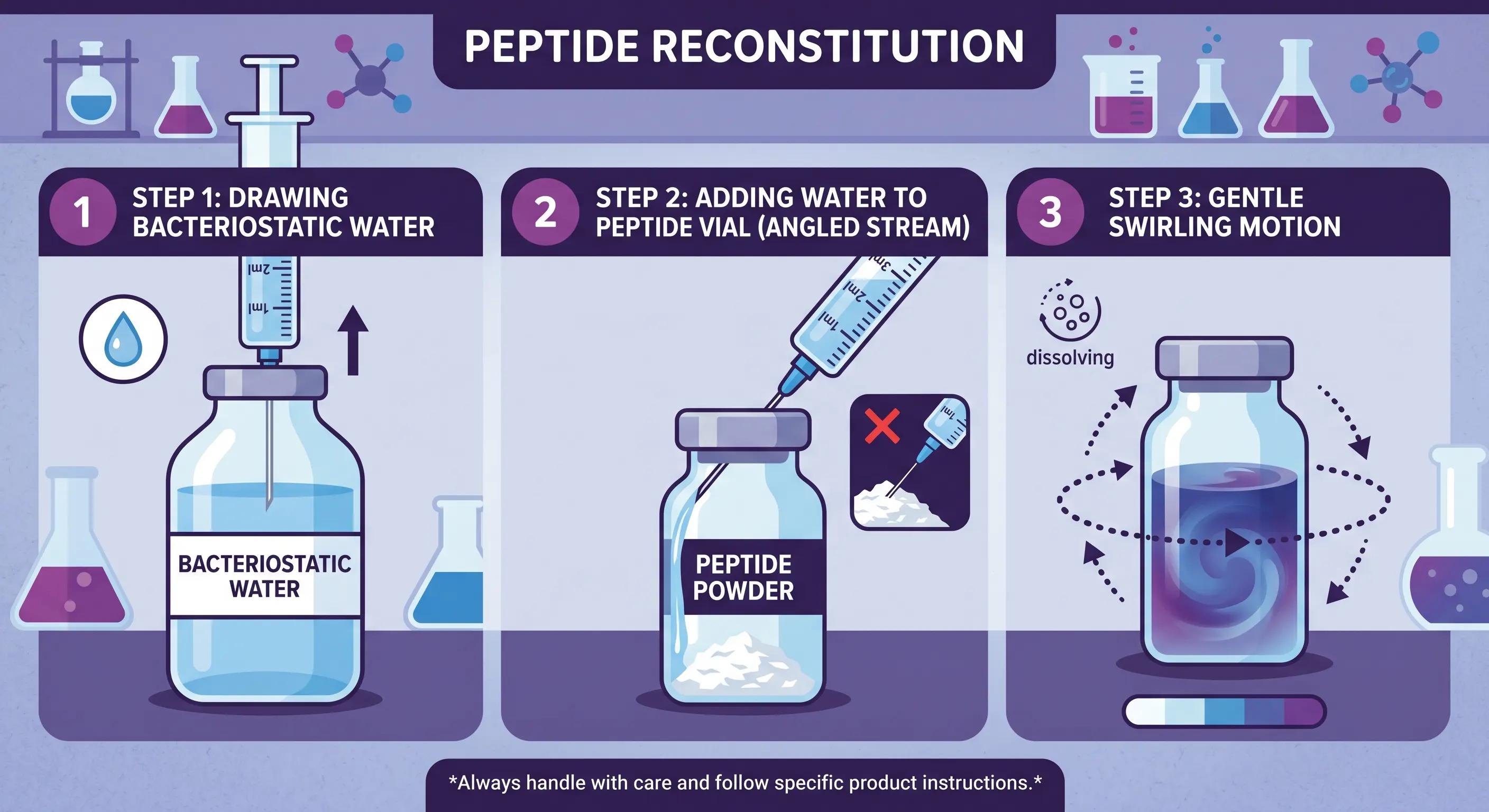
- Prepare the Water: Use a syringe to draw exactly 3 ml of bacteriostatic water. Ensure all air bubbles are removed for precise measurement.
- Inject Gently: Slowly inject the water against the side wall of the vial. Never aim the stream directly at the powder or shake the vial vigorously, as this can degrade the peptide's potency.
- Mix Delicately: Gently swirl the vial. The solution will turn a distinct bluish-purple color; this is a normal physical characteristic of the copper content.
- Refrigerate and Wait: Place the vial in the refrigerator to protect it from light and heat. Allow it to sit for at least one hour to ensure the powder is fully and evenly dissolved before use.
| Administration Route | Daily Dosage | Cycle Length | Main Effects and Observations | Onset Time | Side Effects or Precautions | Supplementary Suggestions (Inferred) |
|---|---|---|---|---|---|---|
| Subcutaneous Injection | 1mg | No off-cycle mentioned | Stopped hair loss, no hair fall on pillow and in shower; eliminated keratosis pilaris on arms; improved skin condition. | Within a few weeks (approx. 1 month) | No side effects mentioned | Consider zinc supplementation to maintain mineral balance in the body. |
| Topical (1% concentration) | Mg value not mentioned (pea-sized) | Use for 1 month, stop for 2 weeks | Psoriasis/eczema relief by 70% (healed within a few weeks); almost all wrinkles significantly faded, fine lines disappeared. | 48 hours (skin conditions), several months (wrinkles) | Skin condition may recur 3-5 days after stopping use; high concentrations may need dilution. | Recommended use 15 minutes after red light therapy; can be stacked with Tβ4. |
| Subcutaneous Injection | 3.33mg | Ongoing since January | Hair recovered from thinning, significant effect. | Several months | No specific side effects mentioned | Monitor blood copper levels, maintain a balanced diet. |
| Subcutaneous Injection (Standard Protocol) | 1-2mg | Cycle 8-12 weeks, stop for 8 weeks | Promotes collagen synthesis, accelerates wound healing, reduces systemic inflammation, improves skin texture. | 6-7 weeks (obvious effects), 3-6 months (structural changes) | Possible stinging or burning sensation at the injection site; can be alleviated by diluting with more bacteriostatic water. | Must take zinc supplements concurrently; can be stacked with BPC-157 or Tβ4 to promote repair. |
| Oral (Capsules) | 1.5-2.5mg | Recommended 8-week cycle | Improves systemic tissue repair, relieves joint discomfort, regulates inflammatory genes. | 4-8 weeks | Oral bioavailability may be low, should be taken on an empty stomach. | Best taken on an empty stomach in the morning. |
Summary Table of GHK-Cu Administration Protocols, Dosages, and Observed Effects
3. Best Practices for Dosing and Administration
Proper administration is essential to achieve optimal results and avoid localized skin reactions.
- Standard DosageThe common dosage for systemic and cosmetic benefits is 1 to 2 mg daily, administered via subcutaneous injection.
- Gradual TitrationAlways assess tolerance by starting low. Begin with 1 mg for the first few doses, then gradually increase to 1.5 mg, and finally 2 mg if no adverse effects occur.
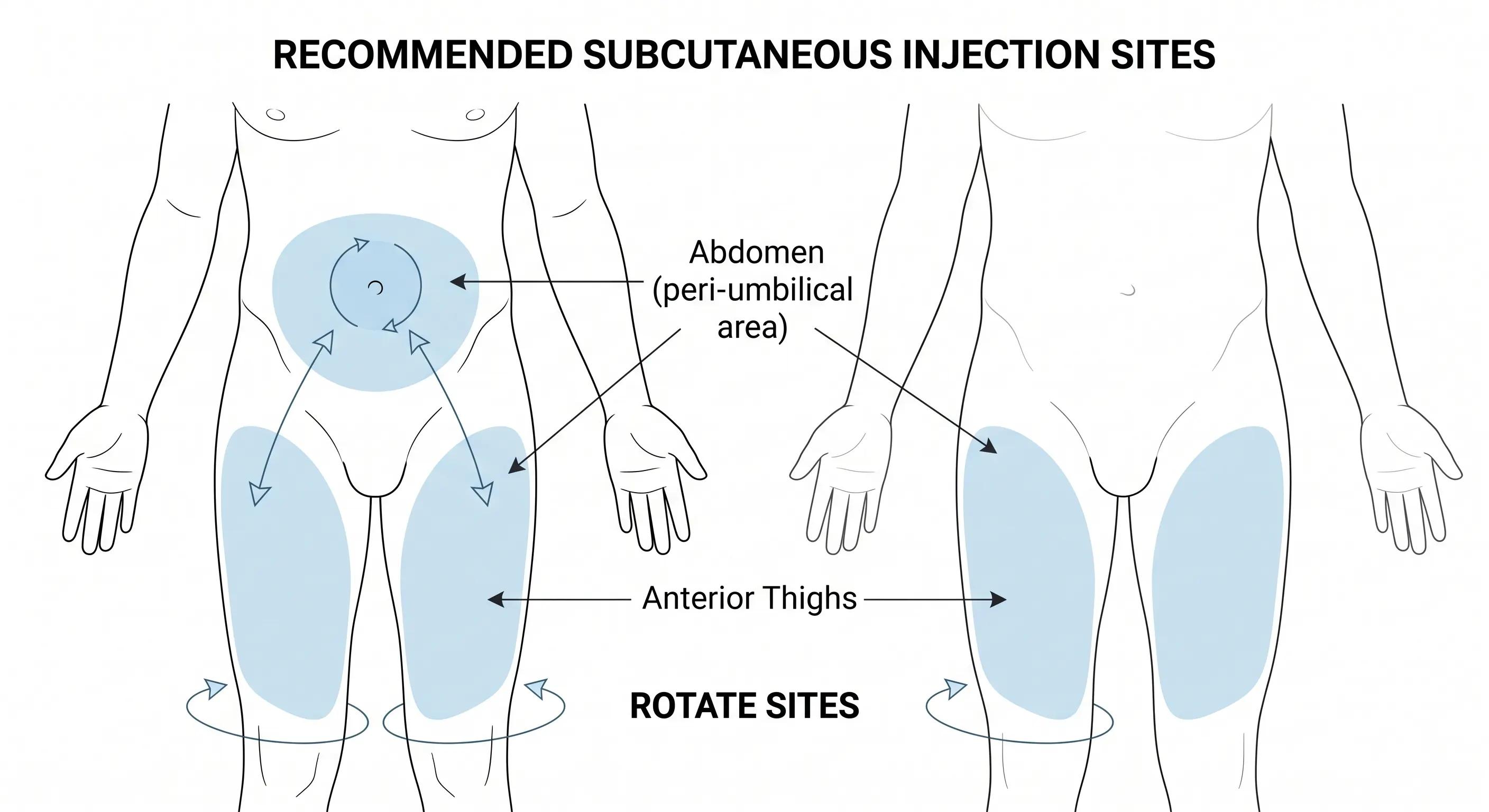
- Injection TechniqueAdminister the peptide into the abdominal wall or upper thighs. Rotate injection sites daily to avoid irritation. For best results, administer in the morning while in a fasted state.
- Managing Peptide StingGHK-Cu is known to cause a slight burning sensation or redness at the injection site. To alleviate this, draw extra bacteriostatic water into your dosing syringe to dilute the concentration before injecting.
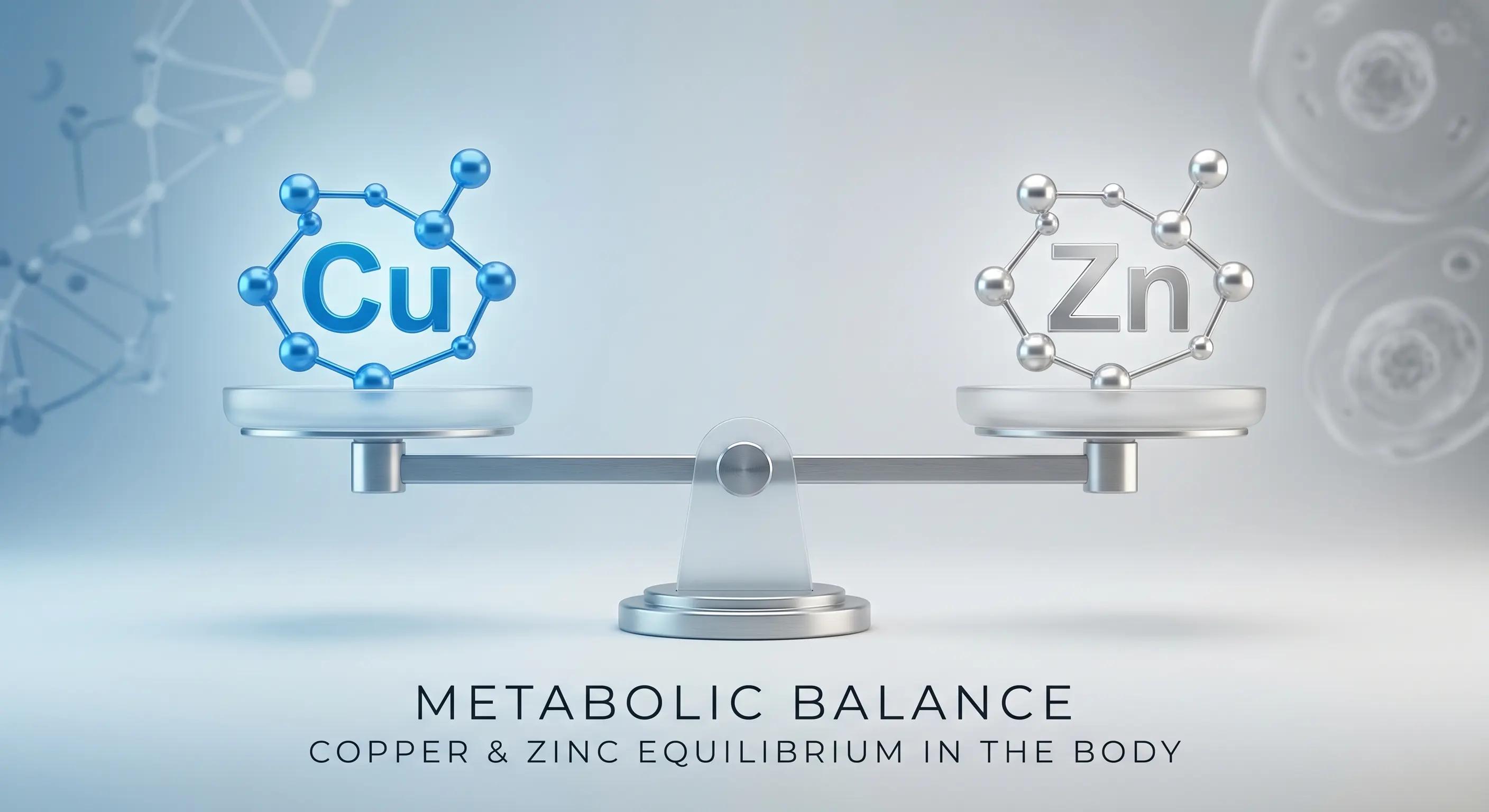
- Zinc SupplementationBecause GHK-Cu affects copper metabolism, it is highly recommended to take a daily Zinc supplement during your cycle to maintain a balanced copper-to-zinc ratio.
- Cycle LengthA standard cycle typically runs for 8 weeks (60–90 days), followed by an equal period of time off to allow the body to reset.
Medical Disclaimer
The information provided in this guide is for educational and informational purposes only and does not constitute medical advice, diagnosis, or treatment. GHK-Cu should only be used under the direct supervision of a licensed healthcare professional. The user assumes all risks associated with the application of this information, and this website shall not be held liable for any adverse reactions, inaccuracies, or misuse of the protocols and products described herein. Always consult with a physician before beginning any peptide regimen.