
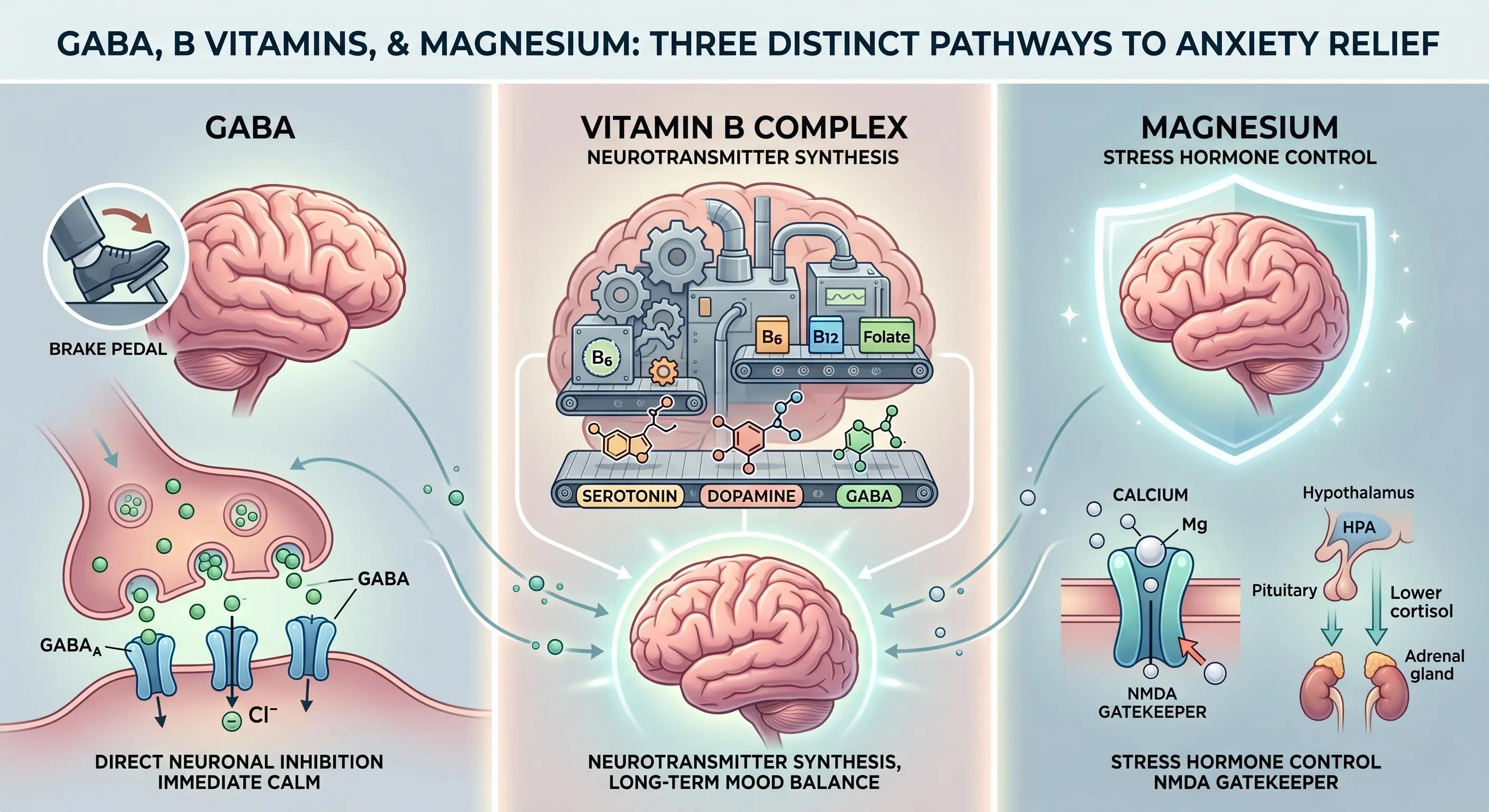
What are the distinct roles of GABA, B vitamins, and magnesium in alleviating anxiety?
Managing anxiety requires a multi-faceted approach to brain chemistry and nervous system health. GABA acts as the primary "brake" to immediately slow down overactive neurons and racing thoughts. Vitamin B complex serves as the essential synthesis engine that builds mood-regulating neurotransmitters. Magnesium functions as a gatekeeper to regulate stress hormones and prevent physical over-excitation. Discover how these three nutrients work through distinct biochemical pathways to restore mental calm.
GABA stands for Gamma-Aminobutyric Acid and is the primary inhibitory neurotransmitter in your central nervous system.
It functions like a "brake pedal" by slowing down the firing of neurons in the brain.
When GABA binds to GABAA or GABAB receptors, it allows chloride ions to enter the cell and reduce its excitability.
Higher GABA activity leads to an immediate reduction in racing thoughts and physical feelings of panic.
Low levels of this neurotransmitter are frequently linked to chronic anxiety and insomnia.
Vitamin B Complex: The Chemical Factory
Vitamin B complex acts as the biochemical machinery required to synthesize mood-regulating chemicals.
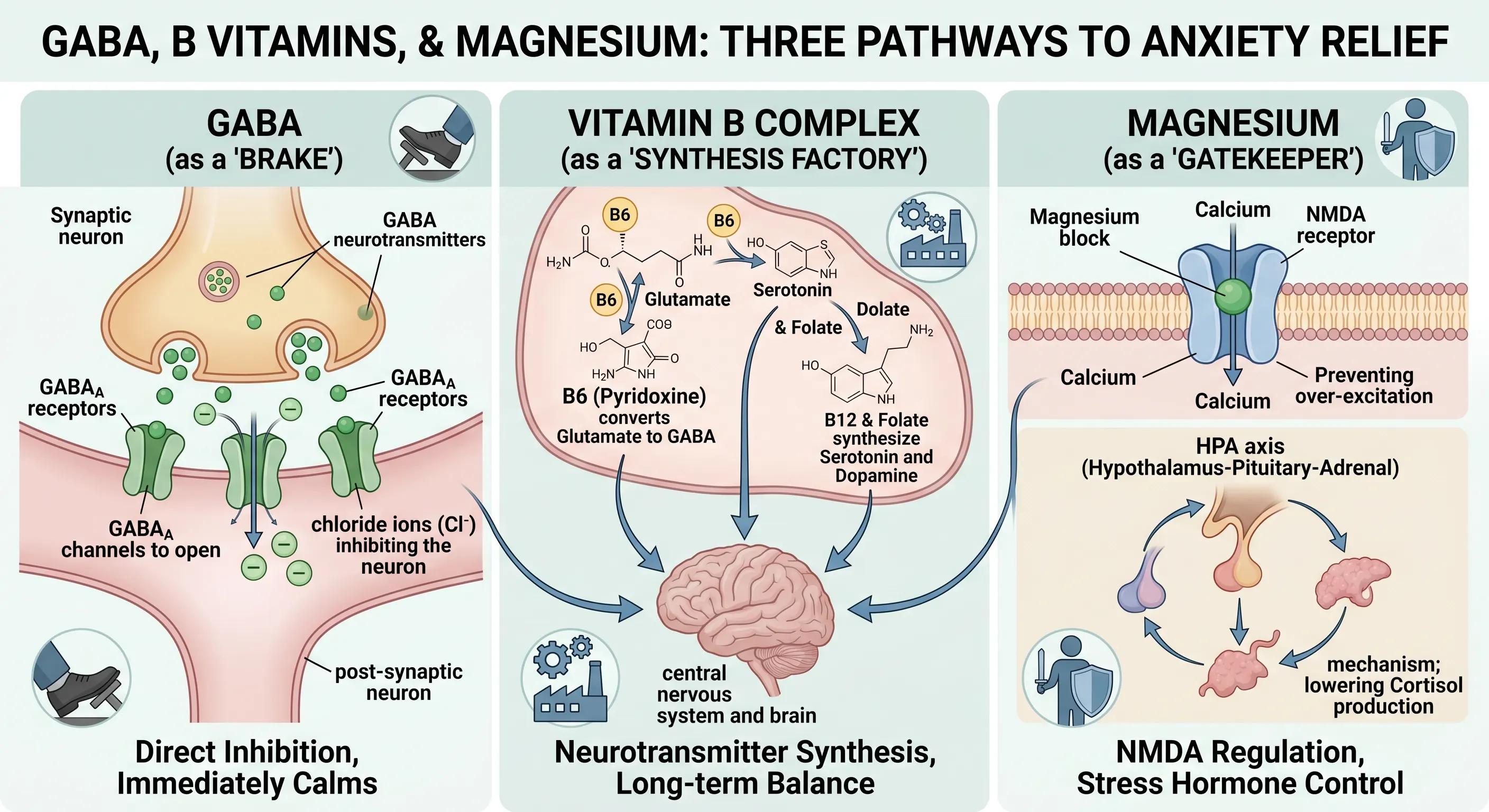
GABA, Vitamin B Complex, and Magnesium: A Triple Approach to Anxiety Relief
Vitamin B6 (Pyridoxine) is a critical cofactor that allows the brain to convert excitatory Glutamate into calming GABA.
Vitamins B12 and Folate (B9) are essential for the methylation cycle, which produces Serotonin and Dopamine.
Without enough B vitamins, the brain cannot maintain the long-term balance of neurotransmitters needed for emotional stability.
A deficiency in these vitamins often results in increased oxidative stress and heightened irritability.
Magnesium: The Gatekeeper of Stress
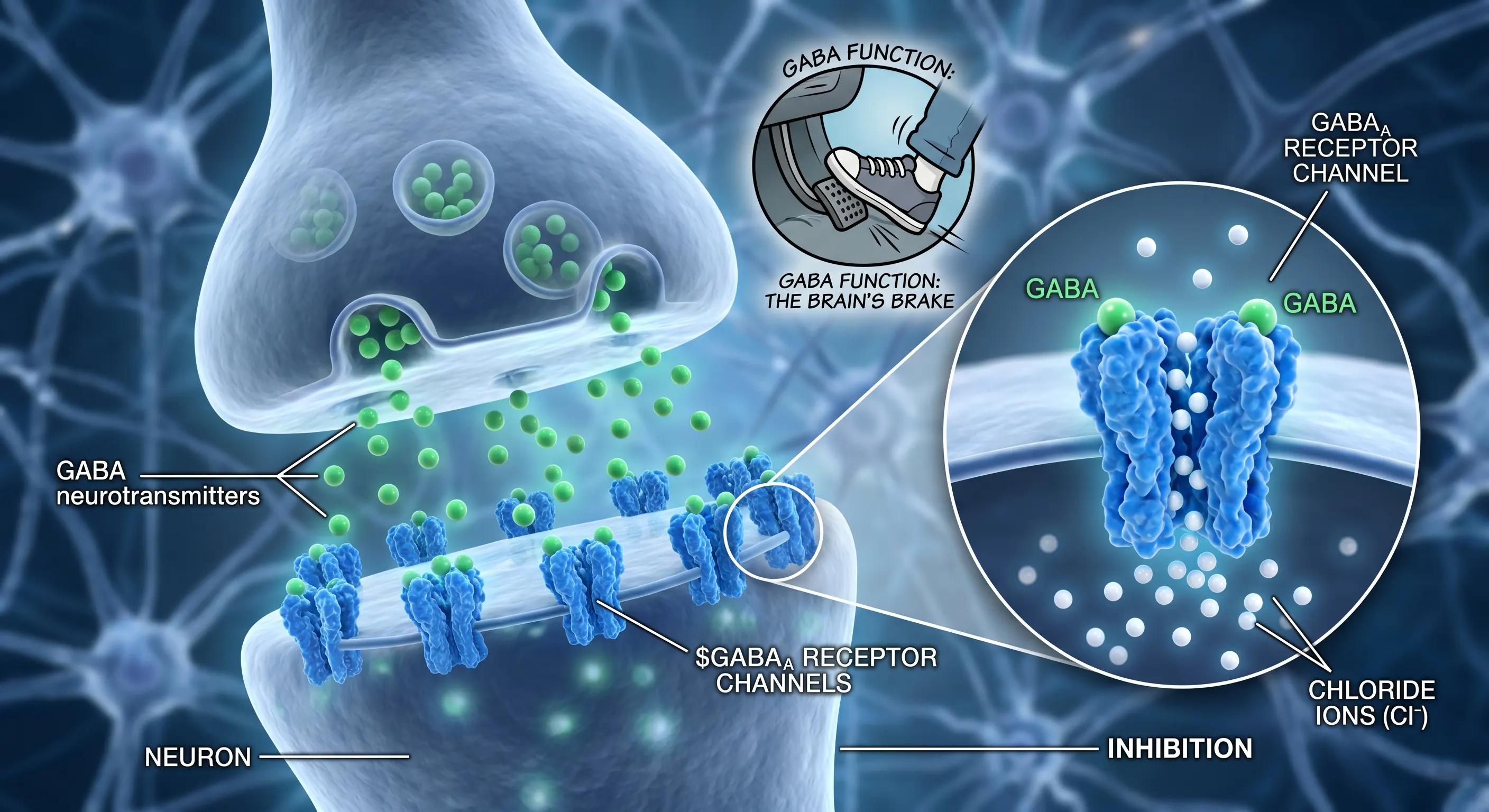
GABA: The Synaptic Brake for a Calmer Brain
Magnesium is often referred to as "nature’s relaxant" because it regulates the body’s physiological stress response.
It acts as a guard for the NMDA receptor, preventing too much Calcium from entering and over-stimulating the neuron.
Magnesium also modulates the HPA (Hypothalamic-Pituitary-Adrenal) axis, which controls the release of cortisol.
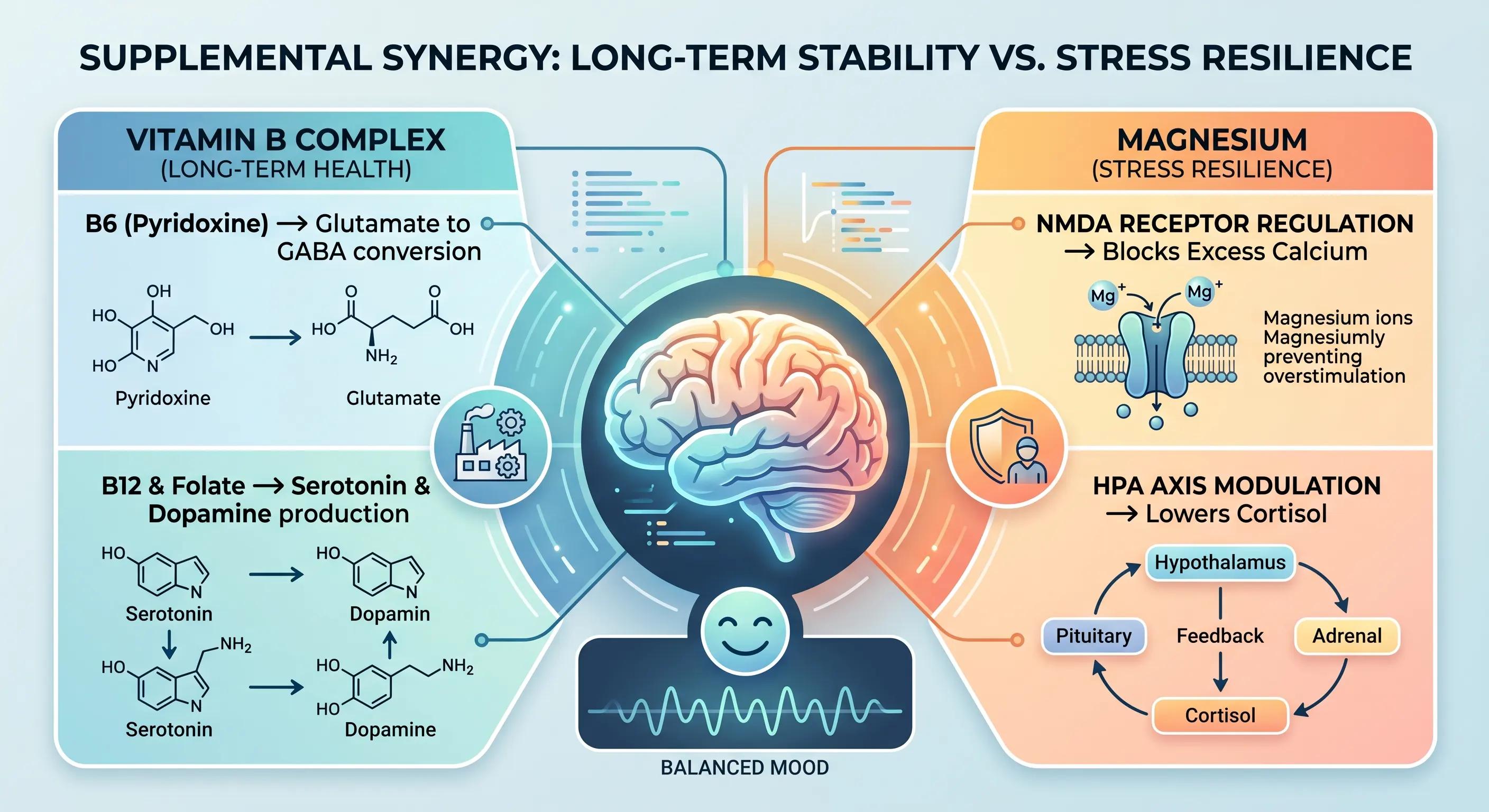
B Vitamins & Magnesium: Supporting Long-Term Stability and Stress Resilience
By preventing cortisol from crossing the blood-brain barrier, it helps the body recover from "fight or flight" mode.
Adequate magnesium levels reduce physical muscle tension and the "edgy" feeling associated with stress.
Comparison Summary
GABA provides the most direct and immediate inhibitory effect on brain activity.
Vitamin B provides the raw materials and enzymes necessary to build calming neurotransmitters.
Magnesium prevents the nervous system from becoming over-sensitized to stress hormones.
Article Citations
- Boyle, N. B., Lawton, C., & Dye, L. (2017). "The Effects of Magnesium Supplementation on Subjective Anxiety and Stress—A Systematic Review." Nutrients, 9(5), 429.
- Kennedy, D. O. (2016). "B Vitamins and the Brain: Mechanisms, Dose and Efficacy—A Review." Nutrients, 8(2), 68.
- Nuss, P. (2015). "Anxiety disorders and GABA neurotransmission: a disturbance of modulation." Neuropsychiatric Disease and Treatment, 11, 165–175.
- Sartori, S. B., et al. (2012). "Magnesium deficiency induces anxiety and HPA axis dysregulation: Modulation by therapeutic drug treatment." Neuropharmacology, 62(1), 304-312.
- Field, D. T., et al. (2022). "High-dose Vitamin B6 supplementation reduces anxiety and strengthens visual surround suppression." Human Psychopharmacology: Clinical and Experimental.