
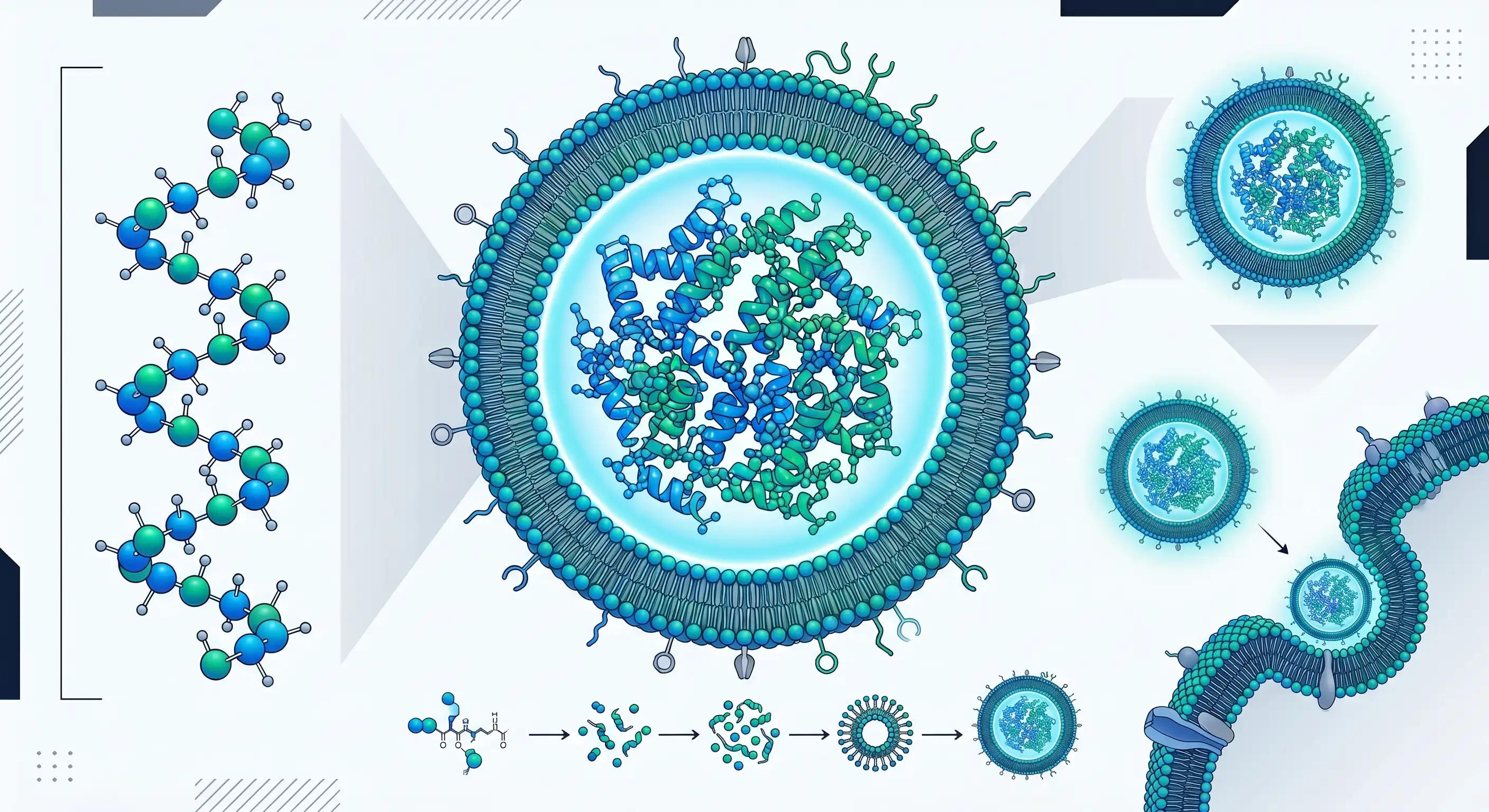
Enhancing Product Efficacy with Advanced Peptide Formulations
Peptides—short chains of amino acids—have become cornerstone ingredients across the pharmaceutical, cosmeceutical, and nutraceutical industries due to their high biological activity, specificity, and excellent safety profiles. However, their inherent physical and chemical limitations, such as poor stability and low membrane permeability, have historically bottlenecked their efficacy. Recent breakthroughs in "advanced peptide formulations" have overcome these barriers, unlocking unprecedented product efficacy and expanding the commercial applications of peptide-based therapeutics and consumer products.
1. The Role of Peptides in Modern Products
Peptides act as highly specific signaling molecules within the body. Depending on their sequence, they can stimulate collagen production, regulate metabolic pathways, deliver trace minerals, or inhibit muscle contractions.
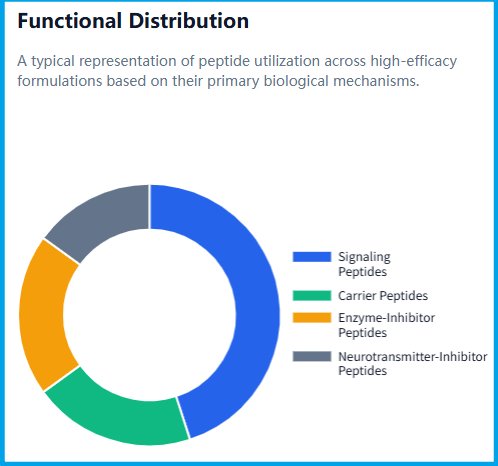
peptide Functional Distribution
In product formulation, peptides are generally categorized by their function:
- Signaling Peptides: Trigger specific cellular responses (e.g., prompting fibroblasts to synthesize structural proteins like collagen and elastin).
- Carrier Peptides: Facilitate the transport of essential trace elements (like copper or magnesium) into cells to aid enzymatic processes and wound healing.
- Enzyme-Inhibitor Peptides: Slow down the natural degradation of structural proteins by inhibiting enzymes like Matrix Metalloproteinases (MMPs).
- Neurotransmitter-Inhibitor Peptides: Relax muscle contractions (often used in topical anti-aging products as a non-invasive alternative to neurotoxin injections).
2. The Bottleneck: Challenges with Traditional Peptides
Despite their potential, formulating with bare, unmodified peptides presents significant biochemical challenges:
- Enzymatic Degradation: Peptides are highly susceptible to breakdown by proteases (enzymes that cleave peptide bonds) present on the skin surface and within the gastrointestinal tract.
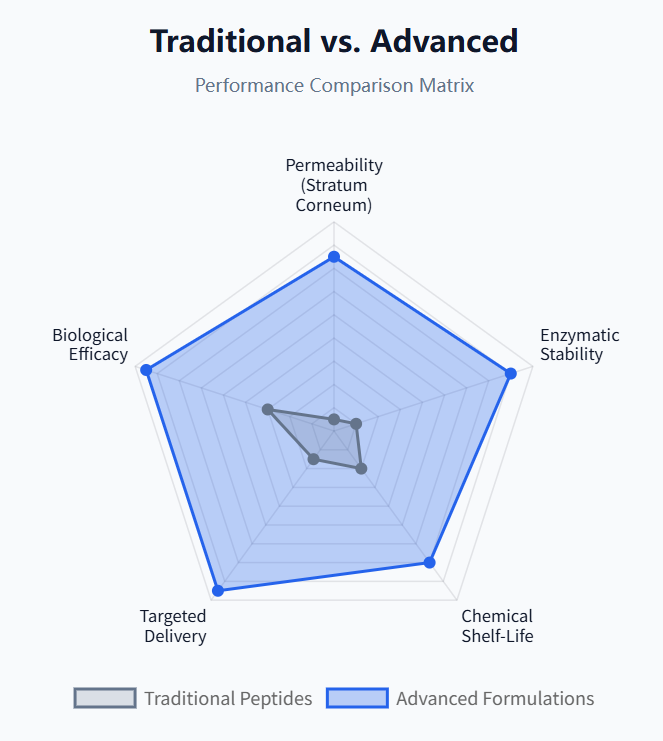
Traditional peptides vs. Advanced peptides
- Poor Permeability: Due to their relatively large molecular size and hydrophilicity (water-loving nature), most natural peptides struggle to penetrate the lipid-rich stratum corneum of the skin or cellular membranes.
- Chemical Instability: Peptides can easily degrade in formulations due to oxidation, hydrolysis, or interactions with other active ingredients, drastically reducing the product's shelf life and efficacy.
3. Advanced Formulation Strategies
To maximize the biological efficacy of peptide products, formulators now employ advanced delivery and stabilization technologies.
A. Encapsulation Technologies
Encapsulating peptides protects them from premature degradation and facilitates deeper targeted delivery.
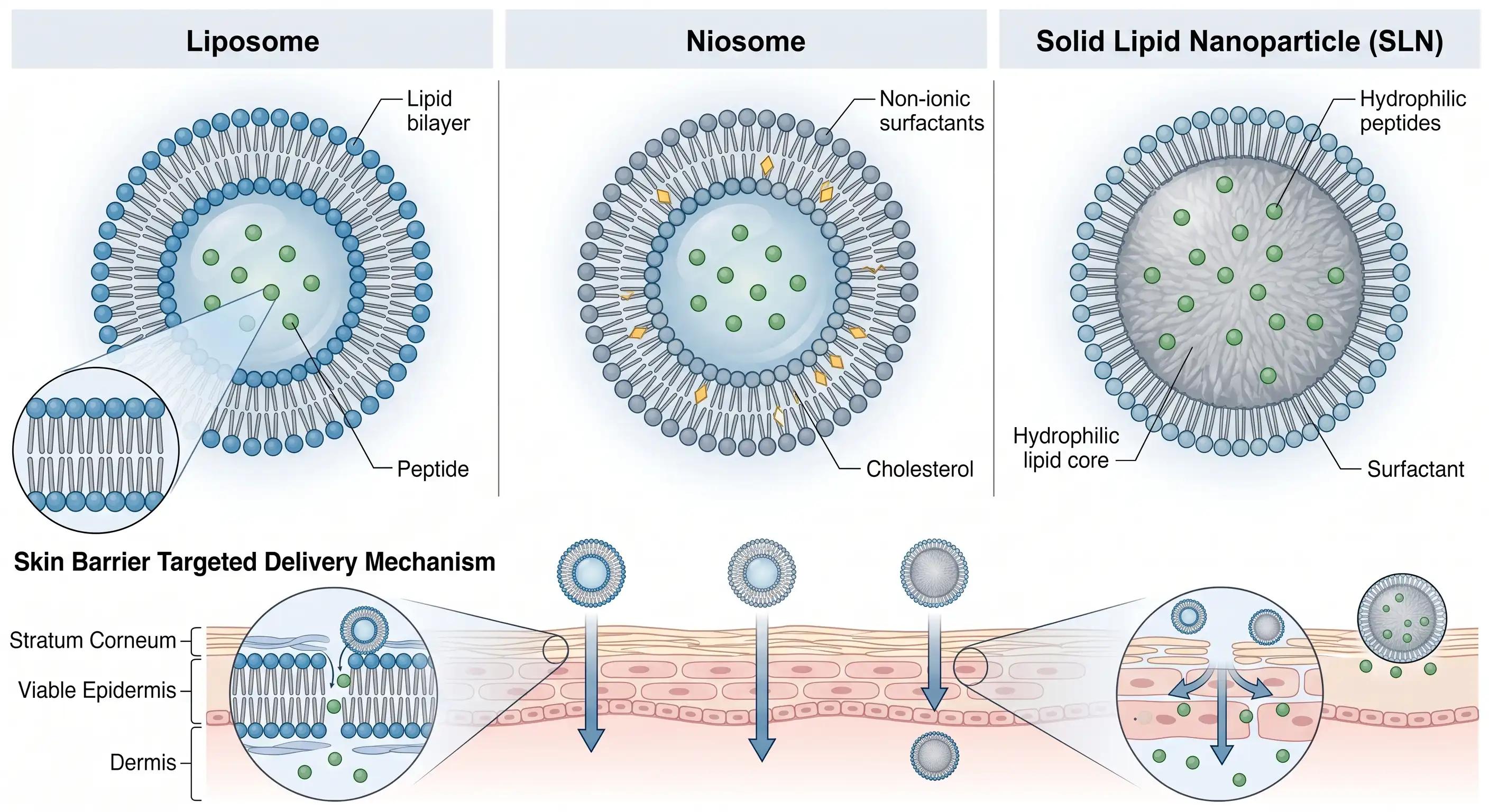
Comparative morphology of lipid-based nanocarriers and their targeted delivery mechanism through the stratum corneum and viable epidermis.
- Liposomes and Niosomes: These spherical vesicles consist of lipid bilayers that mimic cell membranes. They encapsulate hydrophilic peptides in their aqueous core, allowing them to bypass the skin barrier more effectively and releasing the active payload gradually.
- Solid Lipid Nanoparticles (SLNs): SLNs provide enhanced physical stability and controlled release profiles, protecting sensitive peptides from oxidation and environmental stressors during the product's shelf life.
B. Chemical Modification
Altering the chemical structure of the peptide can drastically improve its pharmacokinetic properties without sacrificing its biological activity.
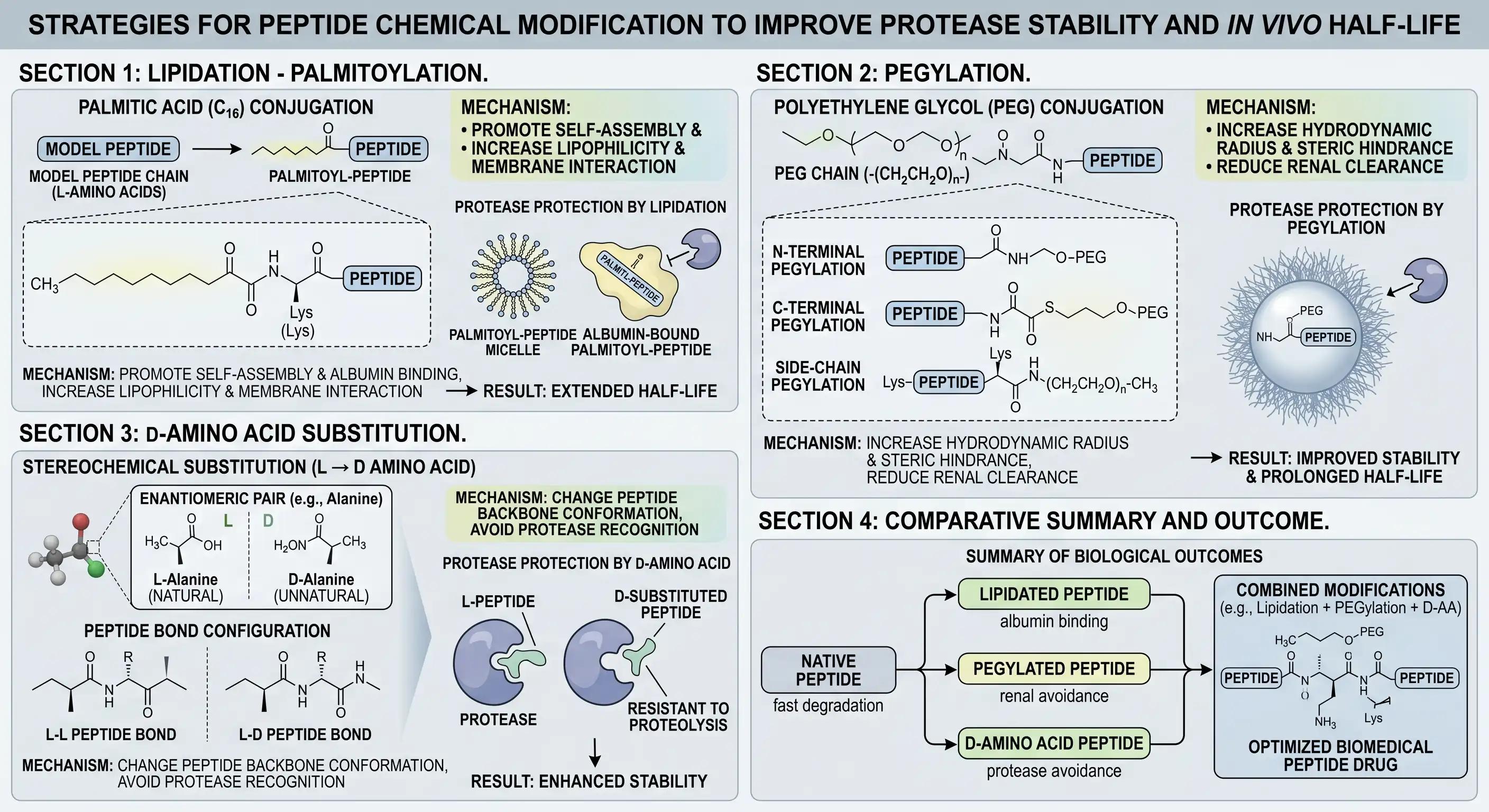
Chemical modification strategies designed to enhance peptide stability against protease degradation and extend systemic half-life.
- Lipidation (Palmitoylation): Attaching a fatty acid chain (like palmitic acid) to a peptide (e.g., Palmitoyl Pentapeptide-4) increases its lipophilicity. This allows the peptide to easily penetrate the lipid barrier of the skin.
- PEGylation: Adding polyethylene glycol (PEG) chains shields the peptide from enzymatic degradation and increases its half-life, a technique frequently used in pharmaceutical biologics.
- D-Amino Acid Substitution: Replacing natural L-amino acids with their synthetic D-enantiomers makes the peptide unrecognizable to destructive proteases, dramatically increasing its stability.
C. Synergistic Formulations
Peptides are rarely formulated in isolation. Advanced products utilize synergistic blends:
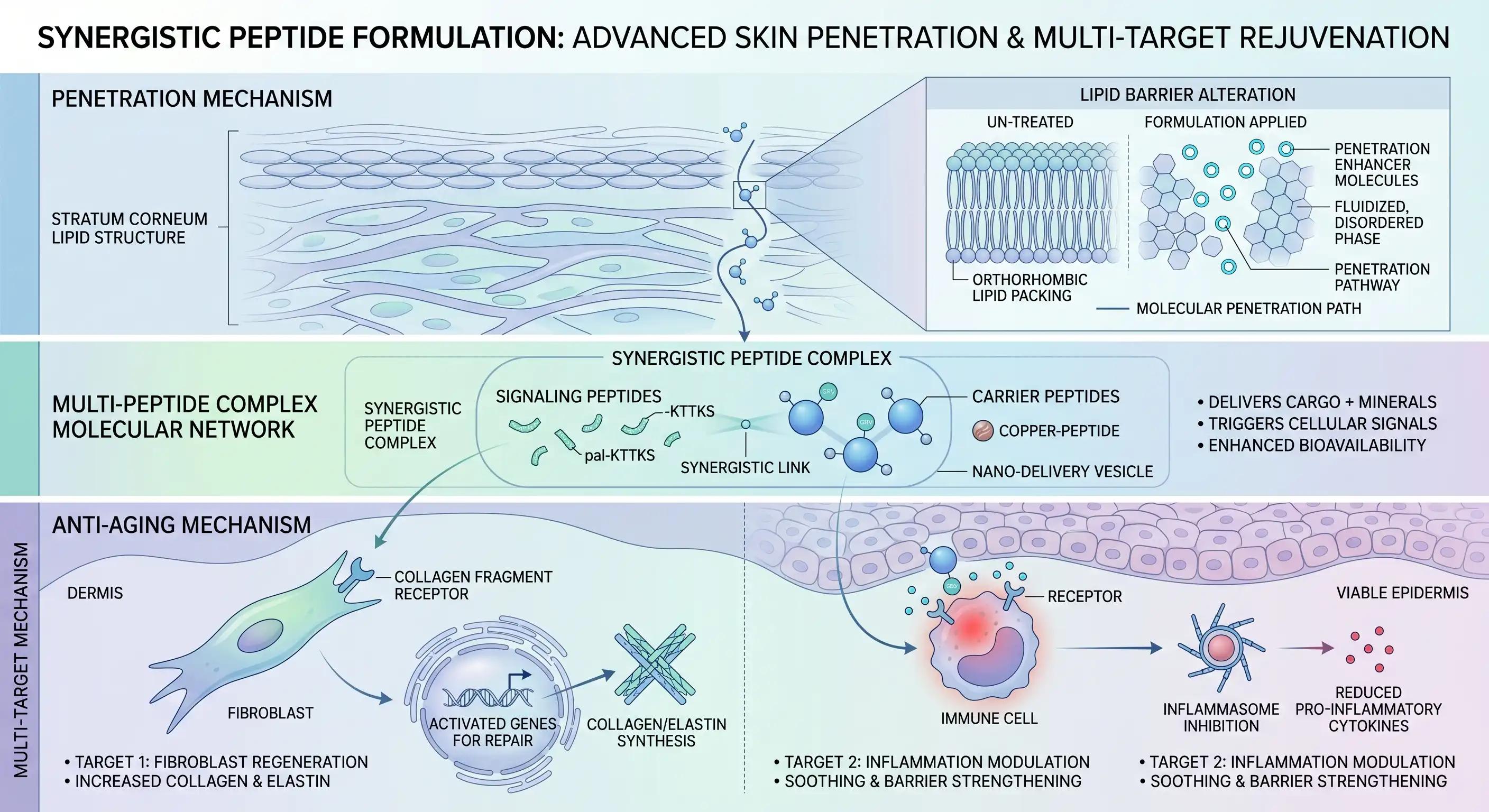
Schematic of a synergistic peptide formulation highlighting enhanced skin barrier penetration and multi-target signaling for anti-aging and anti-inflammatory effects.
- Penetration Enhancers: Co-formulating with mild glycols, specific fatty acids, or chemical enhancers temporarily alters the stratum corneum's lipid structure, creating pathways for peptide entry.
- Multi-Peptide Complexes: Combining signaling peptides with carrier peptides creates a compounding effect, addressing biological issues (like tissue aging or inflammation) from multiple mechanistic angles simultaneously.
4. Industry Applications
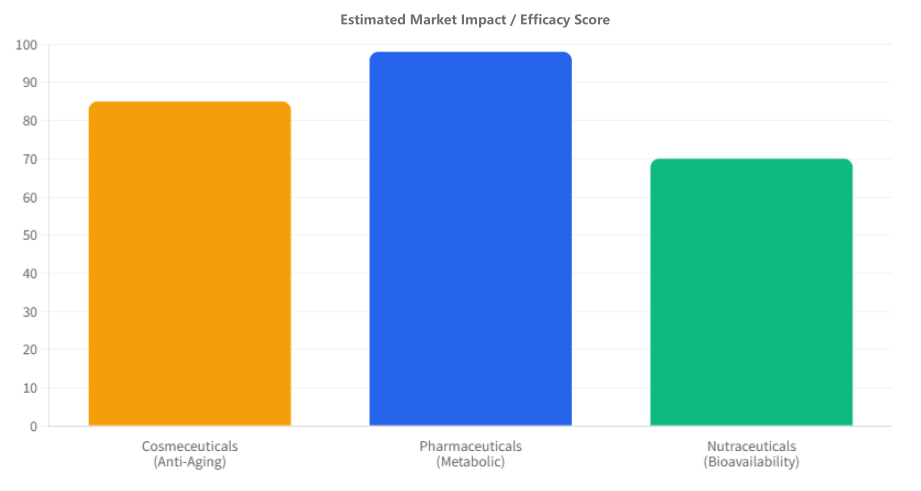
peptide Estimated Market Impact Efficacy Score
Cosmeceuticals and Skincare
Advanced peptide formulations have revolutionized anti-aging skincare. Liposomal delivery of copper peptides and palmitoylated signaling peptides allows topical creams to achieve clinical results that previously required invasive procedures. Efficacy is measured by visible reduction in wrinkle depth, increased skin elasticity, and improved barrier function.
Pharmaceuticals
In medicine, advanced formulations have enabled the rise of peptide drugs, most notably in metabolic disease management (e.g., GLP-1 receptor agonists for diabetes and weight management). Advanced formulation strategies are actively being researched to transition these therapies from subcutaneous injections to highly bioavailable oral formulations.
Nutraceuticals
Bioactive peptides derived from food sources (like marine collagen or whey) are being formulated with advanced enteric coatings and absorption enhancers to survive stomach acid and achieve high systemic bioavailability, supporting joint health, muscle recovery, and metabolic function.
5. Future Outlook
The future of peptide formulation lies at the intersection of biotechnology and artificial intelligence. AI and machine learning models are now being used to predict peptide stability, sequence optimal molecular structures for cellular penetration, and identify novel bioactive peptides faster than ever before.
As precision manufacturing and nanotechnology continue to evolve, the efficacy, stability, and application of advanced peptide products will only continue to expand, offering highly targeted, safe, and potent solutions across consumer and medical markets.