The Blue Miracle: Why Copper Peptides (GHK-Cu) Are the Ultimate Anti-Aging Powerhouse
The ultimate guide to Blue Copper Peptide (GHK-Cu): Benefits for wrinkles and acne scars, correct usage in your routine, and critical ingredient conflicts.
In the ever-evolving world of skincare ingredients, trends come and go faster than the seasons. One week it's snail mucin, the next it's bee venom. However, few ingredients stand the test of scientific scrutiny quite like Blue Copper Peptide, known scientifically as GHK-Cu.
If you feel like your current skincare routine has hit a plateau, or if fine lines are starting to become permanent fixtures, this vibrant blue ingredient might just be the game-changer you’ve been looking for.
But what exactly is it, and why is the dermatology world obsessed with it? Let’s dive into the science behind the blue miracle.
What is Blue Copper Peptide (GHK-Cu)?
Before we get into the benefits, let's break down the name.
A peptide is essentially a short chain of amino acids—the building blocks of proteins like collagen and elastin.
GHK-Cu is a naturally occurring copper complex. It’s a tripeptide (three amino acids: glycine, histidine, and lysine) that has a strong affinity for copper ions found in your body.
When these three amino acids bind with copper, they form a distinct, beautiful blue compound. This isn't an artificial dye; it's the natural color of the active ingredient.
More Than Just a Moisturizer
Unlike hyaluronic acid (which hydrates) or emollients (which soften), copper peptides act as "signal peptides."
Think of them as messengers. When applied topically, they penetrate the skin and send signals to your cells, effectively telling them: "Hey, we need repair work down here! Start building more collagen!"
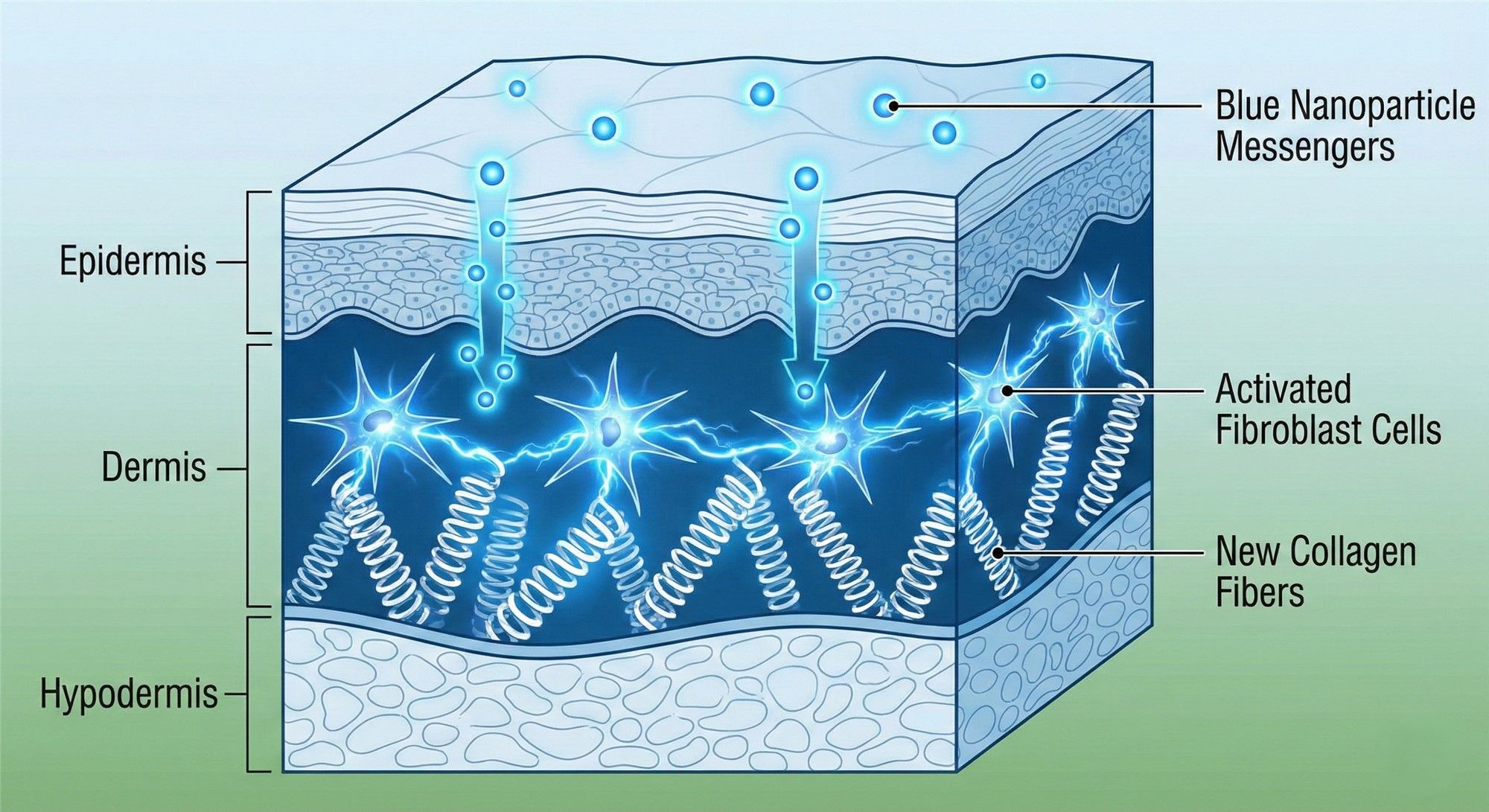
A modern medical illustration diagram showing a cross-section of human skin layers.
As we age, the natural levels of GHK-Cu in our bodies drop significantly. By your 60s, you might have less than half the amount you had at age 20. This drop correlates directly with thinner, sagging skin and slower healing.
3 Key Benefits for Your Skin
Incorporating copper peptides into your routine isn't just about hydration; it's about structural change.
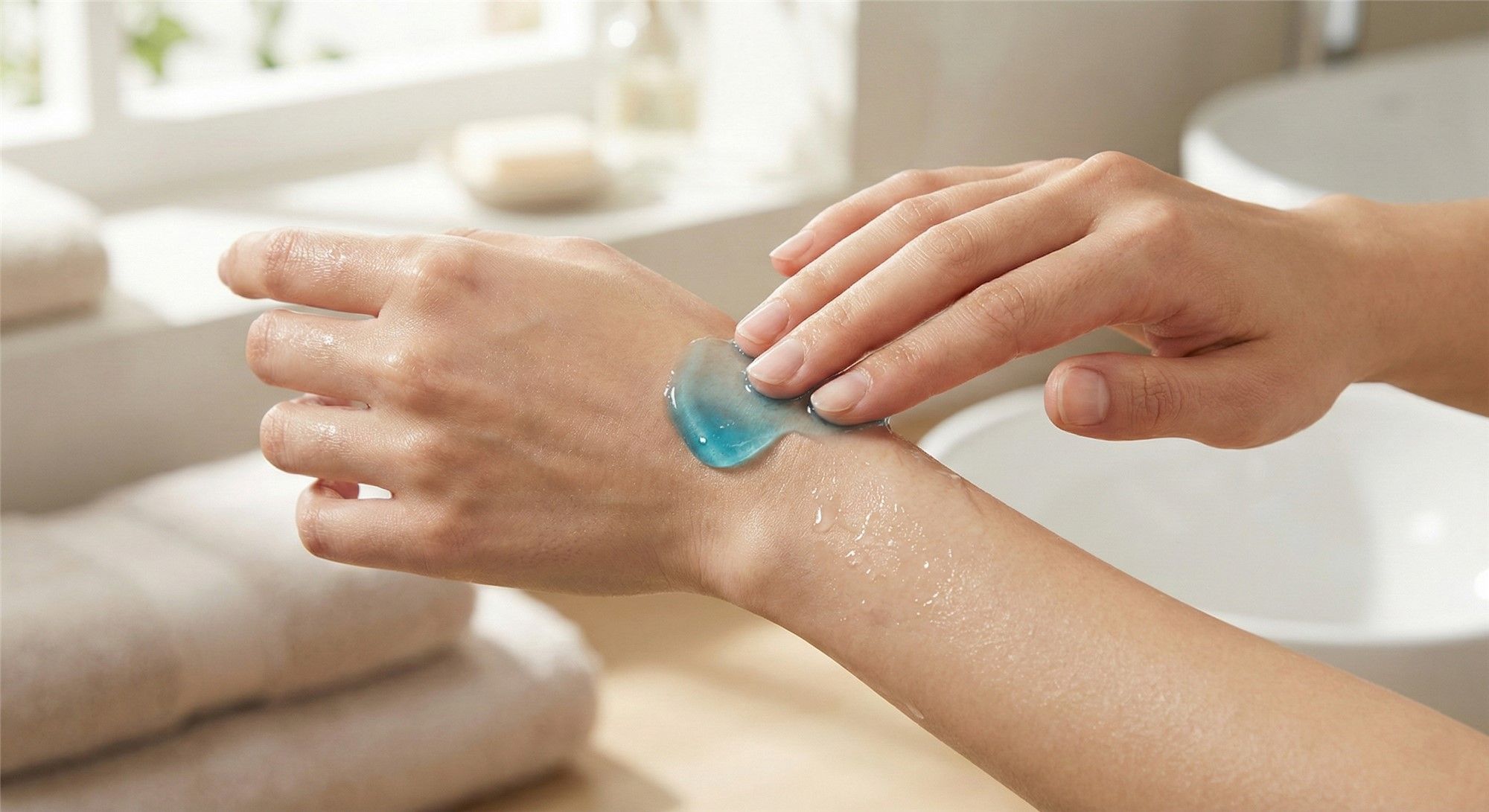
A luxurious skincare texture shot.
1. The Ultimate Collagen Booster
This is the main reason GHK-Cu is hailed as an anti-aging hero. It doesn't just sit on top of the skin. Studies have shown that copper peptides can stimulate the production of both collagen and elastin—the two proteins responsible for keeping your skin firm, plump, and bouncy.
Regular use can lead to a visible reduction in fine lines, wrinkles, and, crucially, an improvement in overall skin firmness.
2. Accelerated Wound Healing and Barrier Repair
Interestingly, GHK-Cu was initially discovered during research into wound healing in the 1970s. Scientists found that it significantly sped up the repair of damaged tissue.
For skincare, this translates to incredible barrier support. If you suffer from:
- Acne scars or post-inflammatory hyperpigmentation (PIH)
- Redness and sensitivity
- A compromised skin barrier from over-exfoliation
Copper peptides can help calm inflammation and accelerate the skin's natural healing process, leading to a more even and resilient complexion.
3. Potent Antioxidant Protection
Your skin is under constant attack from free radicals caused by UV rays, pollution, and stress. Copper peptides function as powerful antioxidants. They help neutralize these damaging free radicals before they can break down your existing collagen, acting as a shield against premature aging.
How to Use Blue Copper Peptide in Your Routine
Ready to introduce the "blue gold" into your regimen? Here are a few rules of engagement to ensure maximum efficacy.
The Ideal Step: Copper peptides are best used in the serum stage of your routine, applied after cleansing and toning, but before heavier moisturizers and oils.
Consistency is Key: Like retinol, this isn't an overnight fix. It takes time to build collagen. Expect to use it consistently for at least 8 to 12 weeks to see significant structural changes.
Crucial Conflicts: What NOT to Mix
Copper peptides are powerful, but they can be finicky. To avoid degrading the ingredient or causing irritation, avoid using them in the same routine as:
- Vitamin C (L-Ascorbic Acid): Pure Vitamin C requires a low pH to work, while copper peptides prefer a neutral pH. Mixing them can render both less effective. Use Vitamin C in the morning and Copper Peptides at night.
- Strong Direct Acids (AHAs/BHAs): High concentrations of glycolic or salicylic acid can potentially break down the peptide bonds.
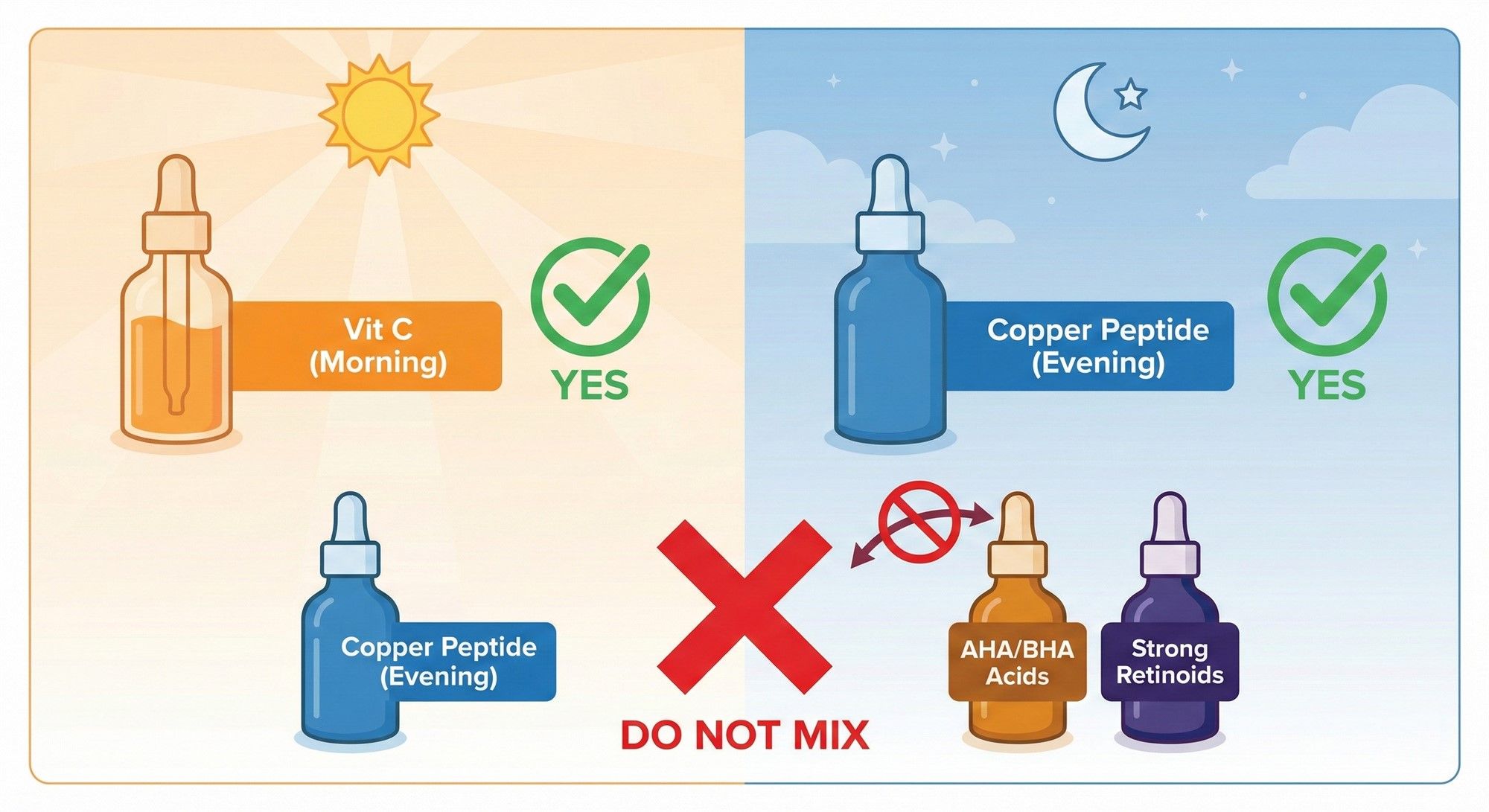
Visual guide for combining Copper Peptides with Vitamin C and avoiding acid conflicts.
[1]: Skincare Ingredients That Should Not Be Used Together (and Why) - Let's Make Beauty
[2]: What Ingredients Should Not Be Used With Copper Peptides - Glimmer Goddess
[3]: What Do Peptides Do for Skincare: The Ultimate Guide - Biossance
Final Thoughts
While the upfront cost of quality Blue Copper Peptide serums can be higher than average, think of it as an investment in your skin's long-term architecture. It’s one of the few ingredients that moves beyond preventative care and actually works to repair and rebuild past damage.
If your skin needs a "reset" button, it’s time to reach for the blue bottle.