Berberine
Functions / Benefits
Quality Specifications
| Specification Item | Standard |
|---|---|
| Grade | Pharmaceutical Grade |
| Recommended Usage | 0.1–1.0% (topical); consult specialist for oral dosing |
| Property 1 | 98% |
Description
Is Berberine Effective for Blood Sugar & Inflammation? Benefits, Dosage & Uses Explained
Yes, berberine is one of the most well-researched natural alkaloids for metabolic health. It delivers potent antibacterial, anti-inflammatory, blood sugar-regulating, and antilipidemic benefits supported by extensive clinical research.
What Is Berberine?
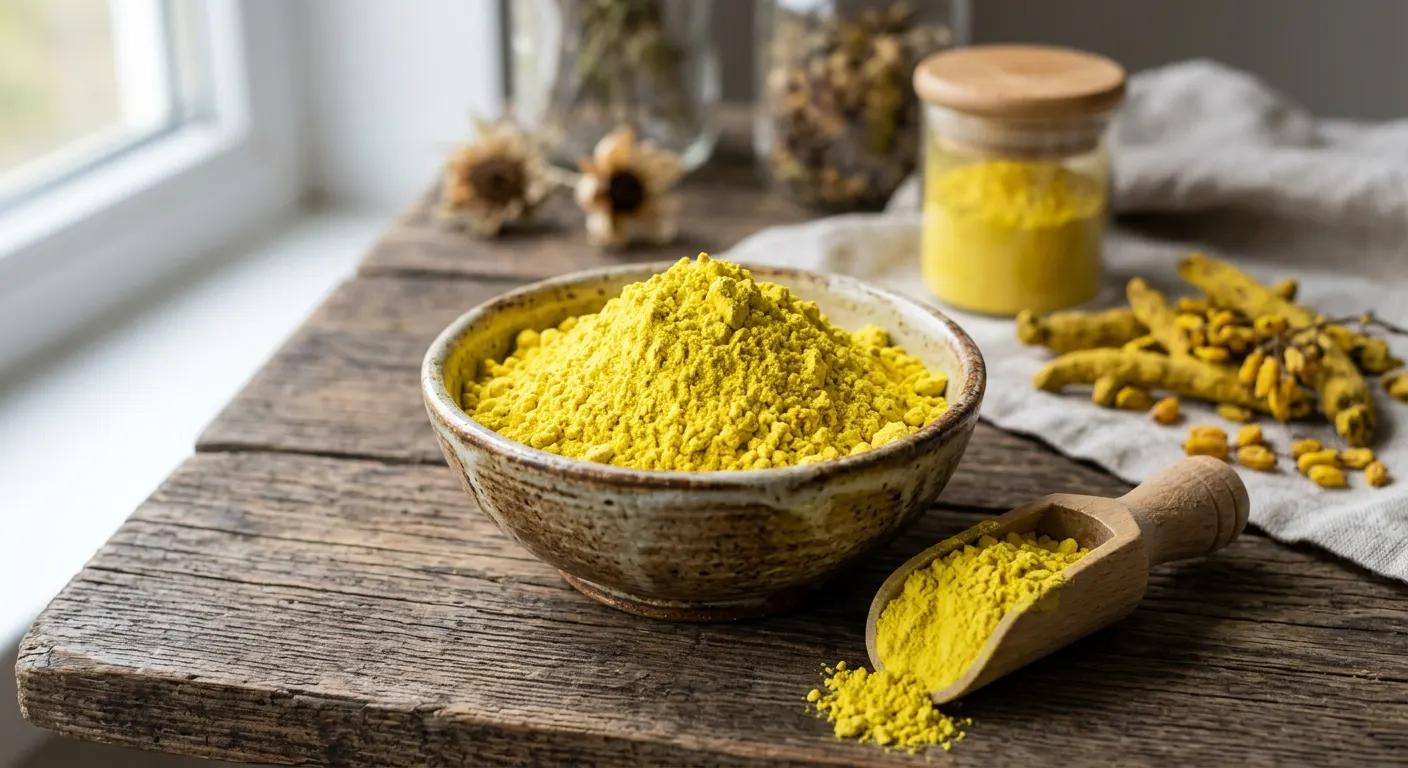
Berberine is a quaternary ammonium isoquinoline alkaloid extracted from Coptis chinensis (Huanglian), Berberis vulgaris, and related plant species. It presents as a yellow crystalline powder with the molecular formula C₂₀H₁₈NO₄ and a molecular weight of 336.36. CAS No. 2086-83-1. Berberine has been a cornerstone of traditional Chinese medicine for over 3,000 years, historically used to address gastrointestinal infections, inflammation, and metabolic disorders.
Key Benefits & Functions
- Antibacterial & Antimicrobial: Demonstrates broad-spectrum activity against pathogenic bacteria including Shigella, E. coli, and Staphylococcus species.
- Anti-inflammatory: Inhibits the NF-κB signaling pathway and suppresses pro-inflammatory cytokines such as TNF-α, IL-1β, and IL-6.
- Blood Sugar Regulation: Activates the AMPK (AMP-activated protein kinase) pathway to improve insulin sensitivity and glucose uptake; shown to be comparable to metformin in select clinical studies.
- Antilipidemic: Effectively lowers LDL cholesterol and triglyceride levels, supporting cardiovascular metabolic health.
- Antioxidant: Scavenges free radicals and reduces oxidative stress markers in cellular models.
- Neuroprotective: Inhibits acetylcholinesterase activity, supporting cognitive function and offering potential in neurodegenerative research.
- Anti-tumor: Induces apoptosis in multiple cancer cell lines through mitochondrial and caspase-dependent pathways.
Berberine vs Metformin: Which Is Better for Blood Sugar?
Both berberine and metformin exert their primary glucose-lowering effects by activating the AMPK pathway, making them mechanistically similar. However, they differ significantly in origin, regulatory status, and clinical profile.
Berberine:
- Natural origin (botanical extract)
- Additional lipid-lowering and anti-inflammatory effects beyond glycemic control
- Fewer gastrointestinal side effects in some patients compared to metformin
- Not FDA-approved as a pharmaceutical drug; sold as a dietary supplement
Metformin:
- FDA-approved pharmaceutical for type 2 diabetes management
- Backed by decades of extensive clinical trial data
- Widely prescribed and well-understood safety profile
- Potential for vitamin B12 depletion with long-term use
Berberine vs Metformin: berberine represents a compelling natural alternative for metabolic support, particularly for individuals seeking botanical-based interventions. However, metformin remains the clinical gold standard for the pharmacological management of type 2 diabetes and should not be replaced without medical supervision.
Applications
- Nutraceuticals & Dietary Supplements: Blood sugar support, weight management, and metabolic health formulations.
- Pharmaceuticals: Antibacterial formulations and treatment of gastrointestinal infections.
- Cosmetics: Anti-acne and anti-inflammatory topical formulations; skin-brightening applications leveraging berberine’s antimicrobial and antioxidant properties.
- Traditional Medicine: Coptis chinensis-based formulations in traditional Chinese medicine practice.
Specifications
For topical cosmetic formulations, a usage rate of 0.1–1.0% is recommended. For nutraceutical and supplement applications, typical oral doses range from 500–1,500 mg/day administered in divided doses — always under the supervision of a qualified healthcare professional.
Always consult with a qualified healthcare provider or formulation specialist before incorporating berberine into therapeutic, nutraceutical, or pharmaceutical applications. Berberine may interact with certain medications including blood sugar-lowering drugs. This information is intended for professional reference only and does not constitute medical advice.