Coenzyme Q10 (CoQ10)
Functions / Benefits
Quality Specifications
| Specification Item | Standard |
|---|---|
| Grade | Pharmaceutical Grade |
| Recommended Usage | 100–300 mg/day (general wellness); up to 400–1,200 mg/day (therapeutic) |
| Property 1 | 98% |
Description
Is CoQ10 Good for Heart Health and Energy? Benefits, Dosage & Side Effects Explained
Yes, Coenzyme Q10 (CoQ10) is one of the most extensively researched dietary supplements, with strong clinical evidence supporting its role in heart health, ATP energy production, and antioxidant defense. It is safe and well tolerated at doses up to 1,200 mg/day, making it suitable for a wide range of health and performance applications.
What Is Coenzyme Q10?
Coenzyme Q10 (CAS 303-98-0), also known as ubiquinone or Vitamin Q10, is a fat-soluble, redox-active coenzyme found in virtually every cell of the human body. With the molecular formula C₅₉H₉₀O₄ and a molecular weight of 863.34 g/mol, CoQ10 is most concentrated in high-energy-demand organs such as the heart, liver, kidneys, and skeletal muscle.
The body naturally produces approximately 500 mg of CoQ10 daily, but production peaks at around age 20 and declines significantly with age — by more than 50% in heart tissue in some individuals. Dietary intake from food sources (meat, fish, nuts) provides only about 5 mg/day, making supplementation the most effective way to restore and maintain optimal tissue levels.
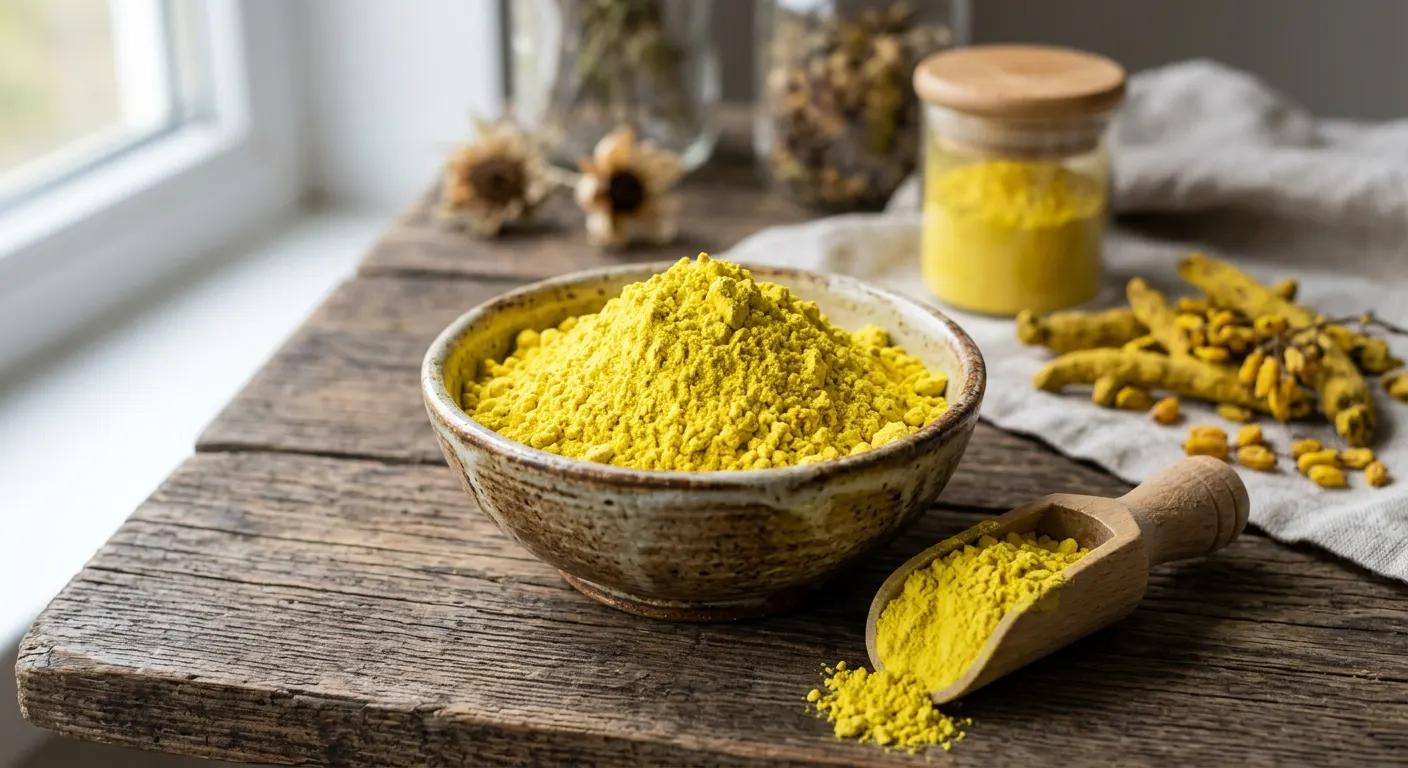
Commercially, CoQ10 is produced as ubiquinone (the oxidized form, CAS 303-98-0) via microbial fermentation, yielding a bright yellow crystalline powder with high purity and excellent stability.
Key Benefits of CoQ10
Heart Health and Heart Failure Support. CoQ10 is the most clinically validated natural supplement for cardiovascular health. Meta-analyses of over 33 randomized controlled trials (RCTs) confirm that CoQ10 supplementation significantly improves outcomes in moderate-to-severe heart failure, including 2-year survival rates, cardiac function, and hospitalization rates. The landmark Q-SYMBIO trial demonstrated that 300 mg/day of CoQ10 reduced major cardiovascular events by 43% compared to placebo.
ATP Energy Production. CoQ10 is an essential component of the mitochondrial electron transport chain (Complexes I–III), where it shuttles electrons to generate ATP — the body’s primary energy currency. Supplementation supports sustained energy production, particularly in individuals with age-related mitochondrial decline or statin-induced CoQ10 depletion.
Powerful Antioxidant Defense. In its reduced form (ubiquinol), CoQ10 neutralizes free radicals within cell membranes and protects LDL cholesterol from oxidative damage. It also provides antioxidant backup for vitamin E, offering comprehensive whole-cell protection against oxidative stress.
Statin-Induced CoQ10 Depletion. Statin drugs inhibit the mevalonate pathway, which is required for both cholesterol and CoQ10 biosynthesis. This leads to measurable CoQ10 depletion in muscle tissue, contributing to statin-associated myopathy (muscle pain and weakness). CoQ10 supplementation is widely recommended to prevent or reverse this side effect.
Exercise Performance. Intensive aerobic exercise depletes blood CoQ10 levels. Clinical trials show that CoQ10 supplementation (200–300 mg/day) maintains healthy plasma levels during intense training, reduces exercise-induced oxidative stress, and improves peak power output in trained athletes.
Anti-inflammatory Action. CoQ10 supplementation significantly reduces major inflammatory biomarkers including C-reactive protein (CRP), interleukin-6 (IL-6), and TNF-alpha, as confirmed by umbrella meta-analyses of multiple RCTs.
Reproductive Health. Meta-analyses of RCTs show CoQ10 improves IVF outcomes in women with diminished ovarian reserve and restores sperm motility and fertilization capacity in men with low sperm CoQ10 levels.
Healthy Aging. As CoQ10 tissue levels decline with age, supplementation helps counteract age-related mitochondrial dysfunction, oxidative stress accumulation, and energy decline — making it a cornerstone ingredient in longevity and anti-aging formulations.
CoQ10 (Ubiquinone) vs. Ubiquinol: Which Form Is Better?
CoQ10 exists in two interconvertible forms that are often compared in supplement marketing.
Ubiquinone (CoQ10, CAS 303-98-0) is the oxidized form, the most clinically studied form with decades of RCT data, produced via fermentation at lower cost, stable in formulation, and the form used in the majority of landmark cardiovascular trials. It is best suited for heart health, statin support, general wellness, and cost-effective formulations.
Ubiquinol (CoQH2) is the reduced, active antioxidant form, may offer slightly higher bioavailability in some populations (particularly older adults with impaired conversion), is more expensive to produce and less stable, and is best suited for older adults (50+) or those with impaired CoQ10 conversion, premium anti-aging formulations, and fatigue and exercise recovery products.
Bottom line: both forms raise total plasma CoQ10 levels effectively, and no clinical trial has demonstrated superior outcomes for ubiquinol over ubiquinone. The body readily interconverts both forms. For most applications, pharmaceutical-grade ubiquinone (CoQ10) offers the best balance of clinical evidence, cost-effectiveness, and formulation stability. Ubiquinol may be preferred for older adults or premium positioning.
Dosage and Usage Recommendations
CoQ10 is fat-soluble and should be taken with a meal containing dietary fat to maximize absorption. Dividing the daily dose into two or three servings further improves bioavailability. Recommended doses by application:
- General wellness and maintenance: 100–200 mg/day
- Statin-induced CoQ10 depletion: 100–300 mg/day
- Heart failure and cardiovascular disease: 300–1,200 mg/day
- Exercise performance: 200–300 mg/day
- Fertility support: 200–600 mg/day
CoQ10 combines synergistically with PQQ (for mitochondrial biogenesis), NMN (for NAD+ and energy metabolism), and omega-3 fatty acids (for cardiovascular support).
Safety and Precautions
CoQ10 is one of the safest dietary supplements available, with no serious adverse effects reported in clinical trials lasting up to five years at doses up to 2,400 mg/day. Mild gastrointestinal discomfort or headaches may occur at very high doses. CoQ10 may interact with warfarin (blood thinners) — monitor INR if co-administering. Always consult with a qualified healthcare provider before starting CoQ10 supplementation, especially if you are taking anticoagulants, antidiabetic medications, or managing a cardiovascular condition. This product is intended for use by healthy adults and is not a substitute for medical treatment. These statements have not been evaluated by the Food and Drug Administration. This product is not intended to diagnose, treat, cure, or prevent any disease.
Featured Products
PQQ (Pyrroloquinoline Quinone)
N/A (microbial fermentation-derived)
Berberine
Coptis chinensis / Berberis vulgaris
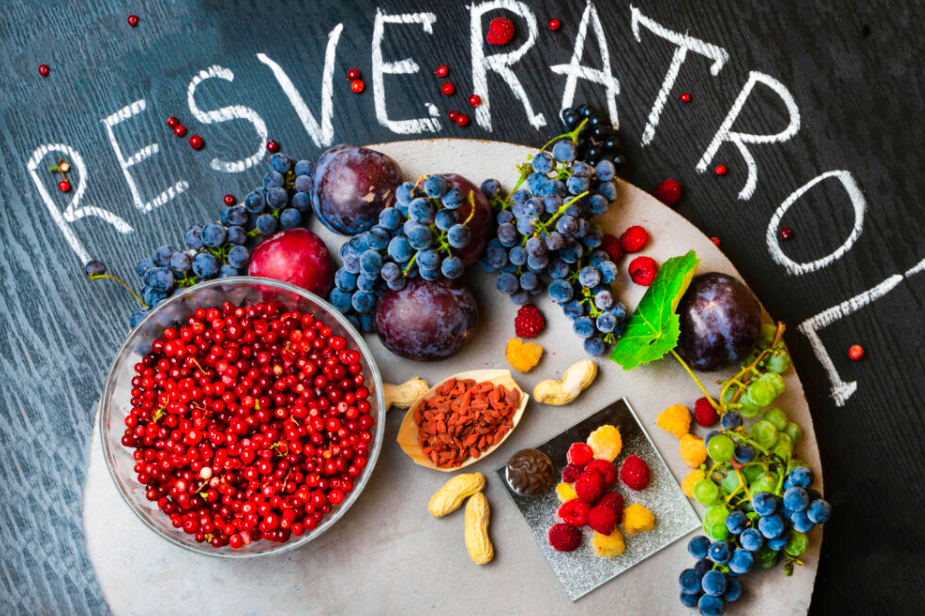
Resveratrol
Resveratrol