PQQ (Pyrroloquinoline Quinone)
Functions / Benefits
Quality Specifications
| Specification Item | Standard |
|---|---|
| Grade | Pharmaceutical Grade |
| Recommended Usage | 10–20 mg/day |
Description
Is PQQ Good for Energy and Brain Health? Benefits, Dosage & Side Effects Explained
Yes, PQQ (Pyrroloquinoline Quinone) is a well-researched bioactive compound that supports mitochondrial biogenesis, cognitive function, and antioxidant defense. At doses of 10–20 mg per day, it is considered safe and well tolerated in healthy adults, with a growing body of clinical evidence supporting its role in energy metabolism and neuroprotection.
What Is PQQ?
Pyrroloquinoline Quinone (CAS 122628-50-6) is a water-soluble, redox-active cofactor found naturally in soil bacteria, fermented foods, human breast milk, and trace amounts in fruits and vegetables such as kiwi, green tea, and papaya. With the molecular formula C₁₄H₆N₂O₈ and a molecular weight of 330.21 g/mol, PQQ is sometimes referred to as the “14th vitamin” due to its essential role in cellular metabolism.
Unlike most antioxidants that are consumed in a single redox reaction, PQQ can cycle through thousands of redox reactions without being degraded, making it an exceptionally potent and durable free-radical scavenger — estimated to be thousands of times more effective than vitamin C on a per-molecule basis.
Commercially, PQQ is produced as its disodium salt (PQQ disodium salt, CAS 122628-50-6) via microbial fermentation, which ensures high purity and consistent bioavailability.
Key Benefits of PQQ
Mitochondrial Biogenesis. PQQ is one of the few known dietary compounds that can stimulate the growth of new mitochondria (mitochondrial biogenesis) by activating PGC-1α and CREB signaling pathways. This makes it uniquely valuable for combating age-related mitochondrial decline and supporting sustained cellular energy production.
Cognitive Function and Neuroprotection. Clinical studies show that 20 mg of PQQ daily improves attention, working memory, and mental processing speed, particularly in middle-aged and older adults. PQQ protects neurons from oxidative damage and supports nerve growth factor (NGF) synthesis, which is critical for the maintenance and repair of brain cells.
Powerful Antioxidant Defense. PQQ’s catalytic redox cycling allows it to neutralize reactive oxygen species (ROS) far more efficiently than conventional antioxidants. It protects mitochondrial DNA, cell membranes, and proteins from oxidative stress — a key driver of aging and chronic disease.
Energy and Fatigue Reduction. By increasing mitochondrial density and efficiency, PQQ supports sustained ATP production. Human trials using 20 mg/day reported improvements in fatigue, sleep quality, and overall vitality after 8 weeks of supplementation.
Cardioprotective Effects. PQQ has demonstrated cardioprotective properties in preclinical studies, reducing myocardial infarct size and protecting heart tissue from ischemia-reperfusion injury through its antioxidant and anti-inflammatory mechanisms.
Anti-inflammatory Action. PQQ inhibits NF-κB signaling and reduces pro-inflammatory cytokines, contributing to its broad protective effects across multiple organ systems.
PQQ vs. CoQ10: Which Is Better for Mitochondrial Health?
PQQ and CoQ10 are both mitochondria-targeting nutrients, but they work through distinct and complementary mechanisms.
PQQ (CAS 122628-50-6) stimulates the creation of new mitochondria (biogenesis) via PGC-1α activation, offers extremely potent antioxidant activity (catalytic, thousands of redox cycles), provides strong neuroprotective and cognitive benefits, is water-soluble and effective at low doses (10–20 mg/day), and is best suited for anti-aging, cognitive support, and energy metabolism formulations.
CoQ10 (CAS 303-98-0) optimizes the function of existing mitochondria by supporting electron transport chain (Complex I–III) and ATP synthesis, acts as a fat-soluble antioxidant (single-cycle), is well established for cardiovascular and exercise performance support, requires higher doses (100–300 mg/day), and is best suited for heart health, statin-related CoQ10 depletion, and athletic performance formulations.
Bottom line: PQQ builds more mitochondria; CoQ10 makes existing mitochondria work better. For comprehensive mitochondrial support, combining both compounds is widely recommended by nutrition researchers, as their mechanisms are synergistic rather than redundant.
Dosage and Usage Recommendations
The clinically studied and generally recommended dose for PQQ is 10–20 mg per day, taken with or without food. Most human trials have used 20 mg/day for cognitive and energy benefits. PQQ is commonly combined with CoQ10 (100–200 mg), NMN, or other mitochondrial support ingredients for enhanced synergistic effects. It is available as capsules, tablets, or powder.
Safety and Precautions
PQQ is generally recognized as safe at recommended doses (up to 20 mg/day). No significant toxicity or genotoxicity has been reported in human studies. Mild side effects such as headache or drowsiness have been reported at very high doses. Always consult with a qualified healthcare provider before starting PQQ supplementation, especially if you are pregnant, nursing, taking prescription medications, or managing a chronic health condition. This product is intended for use by healthy adults and is not a substitute for medical treatment. These statements have not been evaluated by the Food and Drug Administration. This product is not intended to diagnose, treat, cure, or prevent any disease.
Featured Products
Curcumin
Curcumin
Dihydroberberine
Coptis chinensis / Berberis vulgaris (semi-synthetic derivative)
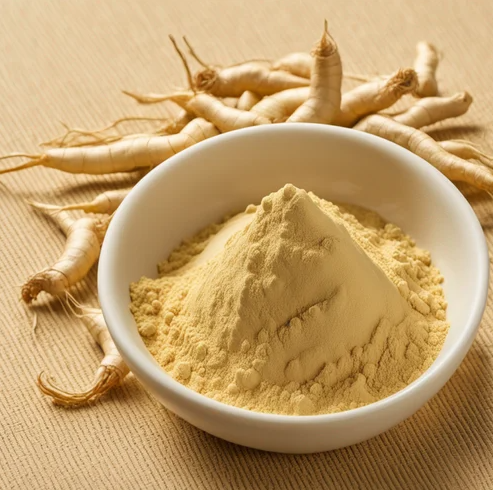
Ginseng Extract
Ginseng Extract